UK ministers have launched a concerted lobbying effort to prevent a backlash from the Trump administration over the under-16 social media ban announced by Prime Minister Keir Starmer. Officials have spent weeks trying to reassure senior Trump officials and the US president himself that the restrictions are not aimed at US technology companies.
Ban details and scope
The ban applies to platforms including X, Facebook, YouTube, Snapchat and TikTok, making the UK one of the first countries to impose sweeping limits on social media for children, following Australia's earlier move. The restrictions are broader than Australia's: they set age limits for many platforms, prevent under-16s from livestreaming, ban adults from unsolicited contact with children on gaming sites, and prohibit under-18s from engaging with "romantic" chatbots. Excluded services include YouTube Kids, Lego Play and Google Classroom.
Government's three-pronged approach
A person involved in the effort said ministers took a three-pronged approach: "engage the companies, pre-brief the administration and mythbust in the media." They added: "This is about protecting children in Britain, not taking on US tech." Starmer said he discussed the issue with Trump and would continue talks, noting that world leaders recognize the need to protect children.

Reactions and concerns
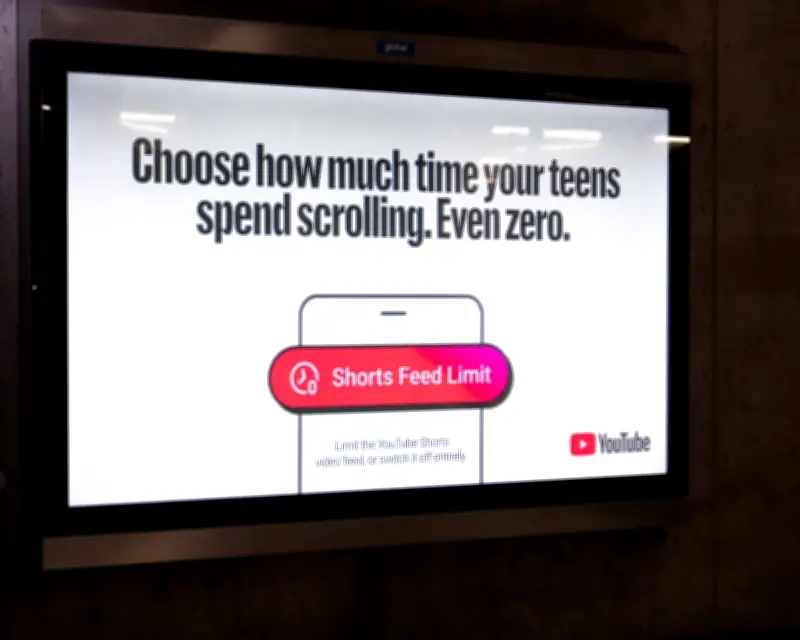
Elon Musk, owner of X, criticized the ban, calling it "a wolf in sheep's clothing" and claiming the real goal is to enable government tracking. The US president had not commented by Monday evening. The ban has been welcomed by the Conservatives, Labour backbenchers, and campaign groups, including Esther Ghey, mother of murdered teenager Brianna Ghey, who said it could "save so many children's lives." However, some experts and tech companies warn it may push teenagers to unregulated alternatives. Meta and YouTube expressed concerns about isolating teens and driving them to less safe services.
Enforcement and timeline
Ministers have asked Ofcom to propose enforcement methods, including written ID, platform tenure, and facial recognition. Ofcom will make recommendations in autumn, and Technology Secretary Liz Kendall aims for the ban to be in place by early 2027. Kendall acknowledged many teens will try to bypass the ban but said it's about "resetting expectations" and creating a culture change. Additional regulations for VPNs may also be introduced.