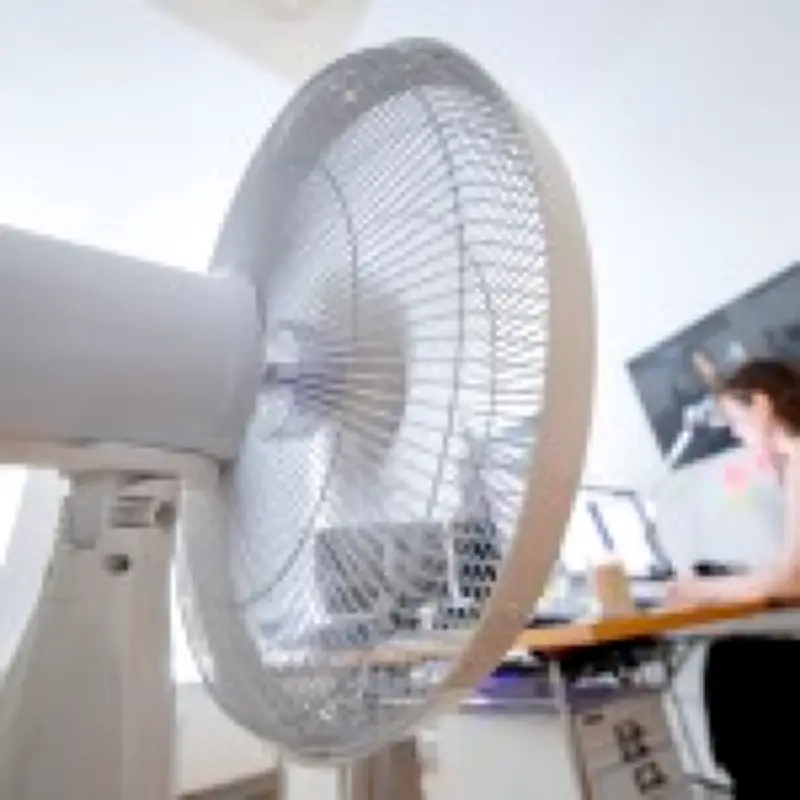
The Met Office has issued a rare red weather warning for southern England and southeast Wales, with temperatures forecast to reach 37°C on Tuesday and potentially exceed 38°C later in the week. As the UK swelters, many employees are questioning their rights at work during extreme heat.
No Legal Maximum Temperature
According to Neha Thethi, Head of Employment at Lime Solicitors, there is currently no legal maximum working temperature in the UK. While a minimum of 16°C applies to most workplaces, the lack of an upper limit reflects the difficulty of setting a universal threshold for environments like bakeries, which naturally operate at high heat. However, employers have a 'duty of care' to provide a safe environment where staff are not at risk of falling ill from the heat.
Employer Obligations and Practical Steps
Thethi emphasises that health and safety responsibilities remain crucial even with more remote and hybrid working. Employers should consider providing electric fans, ensuring access to cold water, and allowing flexible working. 'With regards to the usual workplace, installing air conditioning or making sure there is always access to cold water could form part of this,' she says. Line managers should check in with staff at least once a day and remind them to stay hydrated and take proper breaks.

Dress Code and Flexible Working
Businesses with dress codes should relax rules on restrictive clothing like ties, jackets, and waistcoats during hot weather. 'Employees are unlikely to produce their best work when all they can think about is how warm they are,' Thethi notes. She suggests introducing a dress-down policy for impacted days and relaxing video call dress codes for remote workers. Flexible working arrangements, such as early-start and late-finish schedules common in hot countries, can allow workers to rest during peak heat and work when it is cooler.
Health Risks and Reasonable Adjustments
Workers with existing health conditions like COPD or arthritis may be particularly vulnerable. Thethi warns that failing to consider adjustments could lead to personal injury disputes. 'Employers cannot force staff to work if temperature and noise levels prohibit them from doing so,' she adds. Ultimately, employee health and safety should always be the top priority, especially for those working outdoors.