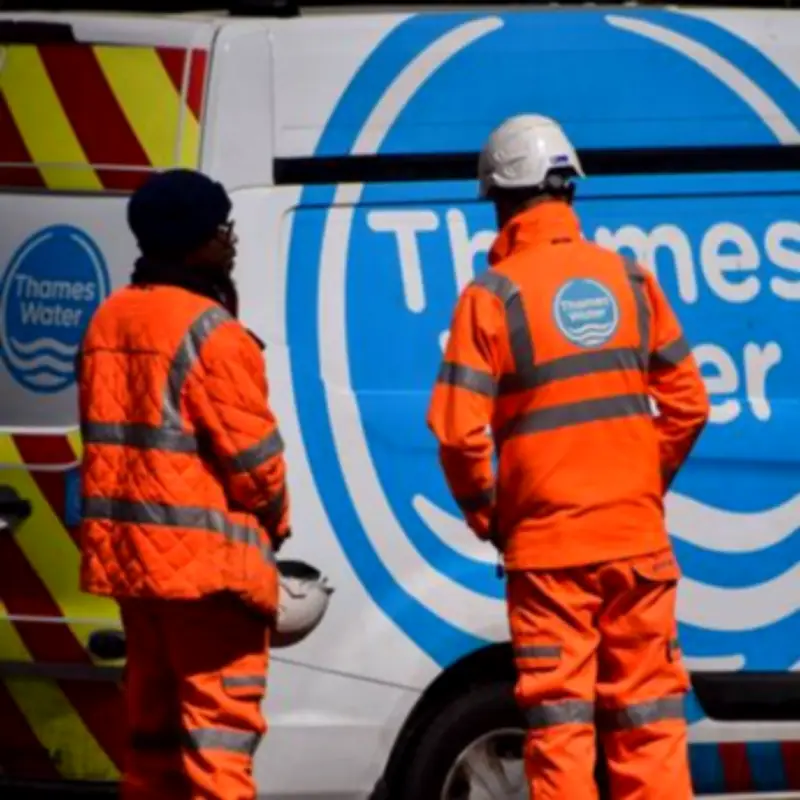
Thames Water is facing potential temporary nationalisation after Environment Secretary Emma Reynolds raised objections to a £10 billion rescue deal, warning it would place an "undue burden" on customers. The private water company, which serves 16 million customers across Britain, is close to collapse under nearly £20 billion of debt.
Government objections to rescue deal
Reynolds wrote to water regulator Ofwat expressing concerns about the proposal from London & Valley Water, which would inject £3.35 billion of new equity and up to £6.55 billion in new debt into the utility. In exchange, the deal would waive sewage leak fines for four years. However, Thames Water would also have to pay nearly £750 million to creditors, lawyers, and advisers.
Reynolds described the proposal as "weak" according to The Times, stating: "Thames Water customers have been let down for far too long, with 15 years of underperformance, increasing serious pollution, and customers left to pick up the bill. I have written to Ofwat to outline my early views that I am not convinced the current proposal is good enough for consumers or the environment. We stand by for any outcome."

Final option before special administration
The rescue bid is seen as the final option to avoid the Government's special administration regime, after a previous deal with US private equity giant KKR collapsed last year. Thames Water has faced large penalties in recent years for its poor environmental performance, and is running out of cash, facing collapse within months if no deal is secured.
Political context
The development comes during a difficult week for Prime Minister Sir Keir Starmer, with Greater Manchester Mayor Andy Burnham pushing for water industry renationalisation. The potential nationalisation of Thames Water would mark a significant shift in UK water policy.