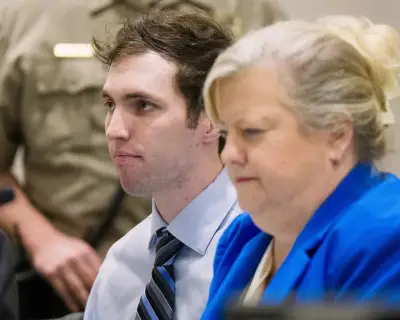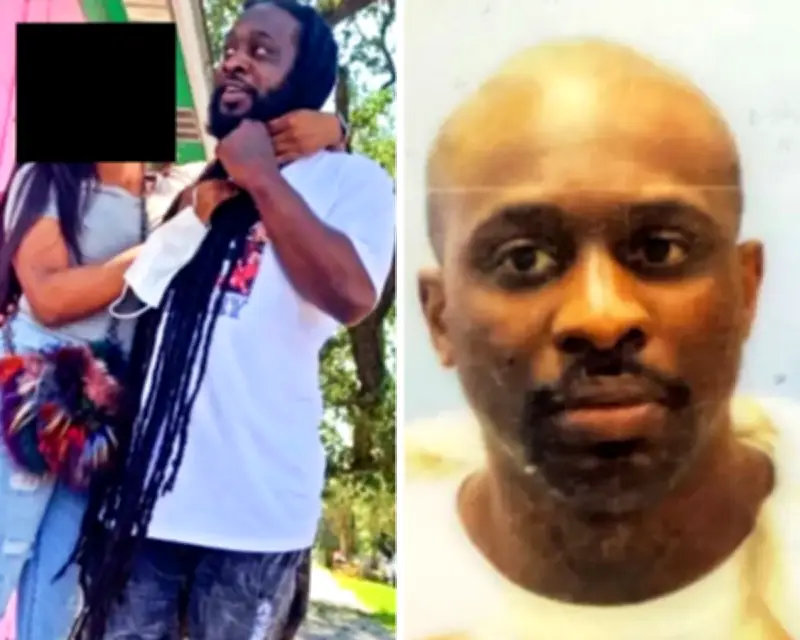
The US Supreme Court on Tuesday refused to let a Rastafarian man sue Louisiana prison officials after guards held him down and shaved his head, violating his religious beliefs. The 6-3 opinion upheld a lower court's dismissal of Damon Landor's lawsuit, finding that the Religious Land Use and Institutionalized Persons Act (RLUIPA) of 2000 does not permit monetary damages claims against individual prison officials.
Case Background
Landor, a devout Rastafarian, grew his hair for over 20 years into long locks reaching his knees, as required by his faith. In 2020, near the end of a five-month sentence for drug possession, he was transferred to the Raymond Laborde Correctional Center in Cottonport, Louisiana. Despite reminding officials of a 2017 Fifth Circuit ruling that the state's policy of cutting Rastafarian hair violated RLUIPA, and handing over a copy of that ruling, a guard threw it away. Landor was then handcuffed to a chair, held down, and shaved bald.
“When I was strapped down and shaved, it felt like I was raped,” Landor said in a statement reported by ABC.

Legal Proceedings
Landor sued, but a federal judge dismissed his case. In 2023, the Fifth Circuit upheld that decision, concluding RLUIPA does not allow individual officials to be personally liable for money damages. The Supreme Court agreed, with Justice Neil Gorsuch writing the majority opinion. He stated that under the Spending Clause, Congress lacks authority to impose liability on state officers directly, and Louisiana never consented to such suits.
Chief Justice John Roberts and Justices Clarence Thomas, Samuel Alito, Brett Kavanaugh, and Amy Coney Barrett concurred. Justices Sonia Sotomayor, Elena Kagan, and Ketanji Brown Jackson dissented.
Dissenting Opinion
Justice Jackson, joined by Sotomayor and Kagan, wrote that prisoners like Landor who suffer religious freedom violations will often be left without a remedy. “Encroachments on prisoners’ statutory rights are likely to happen with fair frequency, as state-empowered prison officials will have little incentive to abide by federal law, even if it is handed to them on a piece of paper,” she argued.
Impact and Context
The Trump administration had backed Landor, urging the court to revive the case. Landor's lawyers compared RLUIPA to the Religious Freedom Restoration Act (RFRA), under which the Supreme Court allowed monetary damages in a 2020 case involving Muslim Americans placed on a no-fly list. However, the court distinguished RLUIPA, noting it operates under Congress's Spending Clause power rather than its enforcement power under the Fourteenth Amendment.