David Hinton, chief executive of South East Water, has announced his intention to step down, just one week after the company's chair resigned following significant supply failures in Kent and Sussex. The water supplier confirmed that Hinton, who joined the board in 2013, will remain in his position to ensure an orderly transition over the summer while a successor is sought.
The company stated that Hinton believes his role has become a distraction from the firm's primary goal: delivering a resilient water supply to its customers. This development follows the resignation of non-executive chair Chris Train last week, prompted by a scathing report from Members of Parliament who expressed no confidence in the company's leadership.
South East Water faced intense scrutiny after being grilled twice by the Environment, Food and Rural Affairs (EFRA) committee regarding multiple supply interruptions across Kent and Sussex between November and January. Thousands of customers were left without access to tap water, unable to shower or flush toilets during the outages. Calls for Hinton to follow Train in resigning had been escalating.

Environment Secretary Emma Reynolds commented: "This must mark the beginning of positive change at South East Water, where customers' needs are prioritised and there is a stop to supply outages." The community group Dry Wells Action from Tunbridge Wells had advocated for the CEO's departure and demanded that consumers be appointed to the board as non-executive directors to ensure their voices are no longer overlooked.
EFRA committee chair Alistair Carmichael, who had repeatedly called for the CEO to go, responded on Friday: "David Hinton has made the right decision for the long-term good of South East Water's customers and the company. It is now up to its interim chair and board members to recruit a new chief executive and get them in place as soon as possible. As we have seen over the last eight years, this is a company that has never been far from serious failure, so competent leadership is urgently needed." Carmichael added that the committee would keep South East Water within its sights.
South East Water noted that Hinton confirmed there had been no disagreement with the board regarding his resignation. Lisa Clement, independent non-executive director and interim chair, expressed gratitude on behalf of the board for Hinton's years of dedication and service.
The company's board had previously stated that Train's resignation was mutually agreed upon to allow for new independent board leadership to oversee a period of positive, transformative change. The EFRA committee's report, published last Friday, described the company as "devoid of proper leadership" and "riddled with cultural problems," emphasising that culture change requires leadership change.
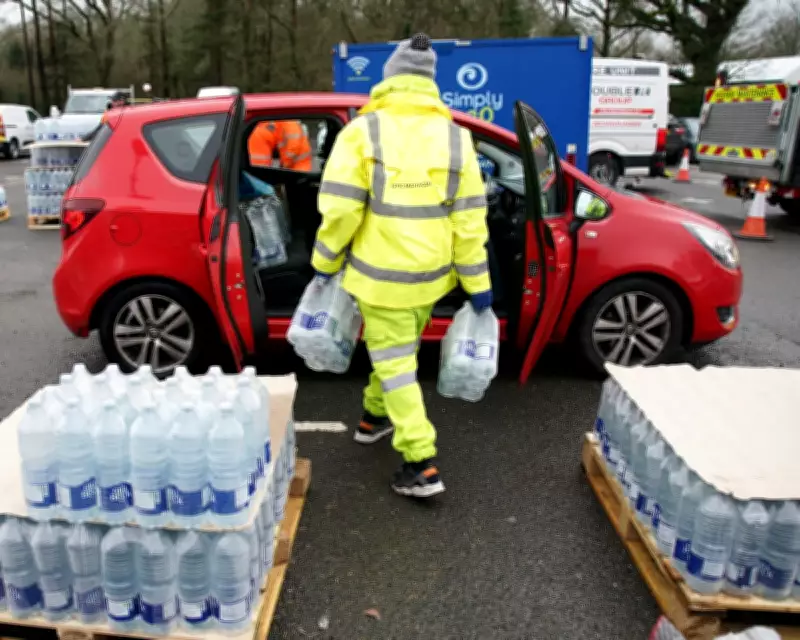
The firm faced fierce criticism for multiple failings leading to the outages and its crisis response. These included poor infrastructure maintenance, failure to monitor critical risks, insufficient investment and resilience building, and blaming external factors like climate change and increased demand. The company was also accused of a disorganised and slow restoration of supply, poor customer communication, and inadequate emergency provisions through water tankers and bottled water, leaving vulnerable residents without essential supplies.
Mike Martin, Liberal Democrat MP for Tunbridge Wells, stated: "Dave Hinton's resignation was inevitable but he's finally done the right thing. South East Water urgently needs fresh leadership and fresh ideas to undo an entrenched internal culture of groupthink."
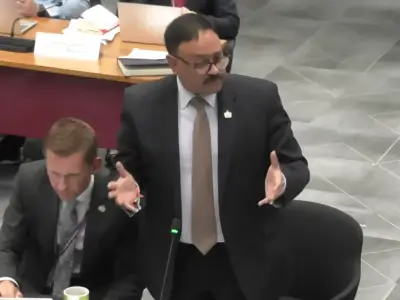
Hinton was grilled by the EFRA committee in January, where MPs raised concerns about the accuracy of his evidence and his lack of accountability. He was recalled alongside Train for further questioning earlier this month. In a contrite appearance, Hinton admitted he had "got it wrong" in handling the outages and acknowledged some team failings. However, the committee's report highlighted a clear pattern of obfuscating responsibility and groupthink, which hindered the company's ability to analyse problems and learn lessons.