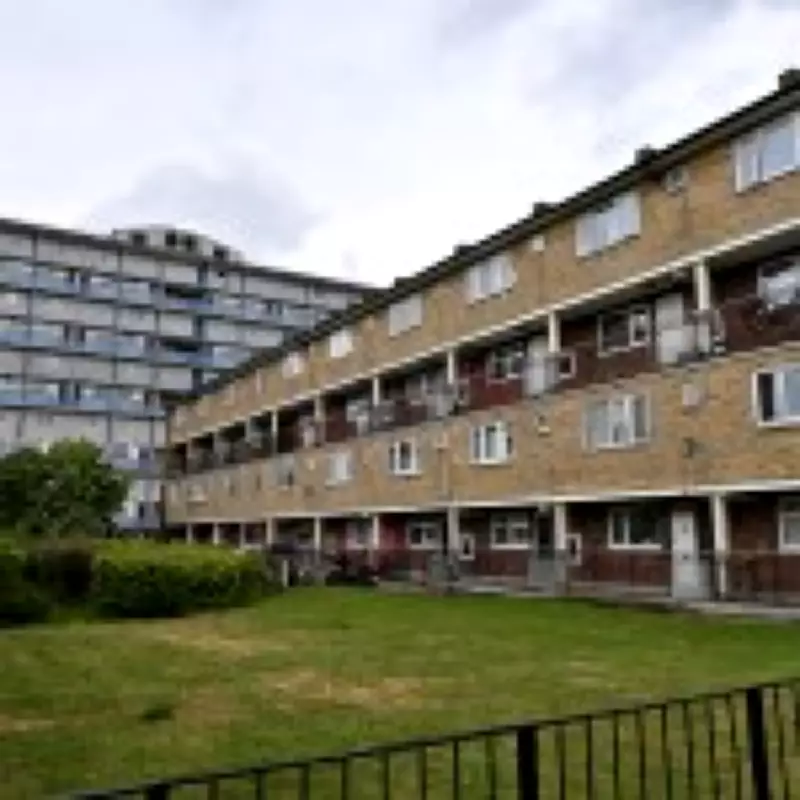
A new law being brought to parliament aims to close a loophole that has forced domestic abuse victims living in social housing to feel compelled to stay in harm's way or risk homelessness. Currently, there is no mechanism for landlords to evict abusers before the victim has already left the home. In joint tenancies, victims who wish to leave the home they share with the perpetrator can only do so by ending the tenancy entirely.
Government Statistics Highlight the Scale of the Issue
According to government statistics, almost 40,000 households in the UK were forced to find a new home after losing their previous one due to domestic abuse in 2024/25. The new Social Housing Bill, which returns to Parliament for its second reading today, aims to give greater security to social renters at risk. It will enable landlords and courts to force perpetrators to leave without simultaneously threatening their victims with the same fate.
Prime Minister's Statement
Prime Minister Keir Starmer said: 'No victim of domestic abuse should face the awful choice between staying in danger or losing their home. This government is putting that right, so perpetrators are forced out and survivors and their children can stay safely in the homes and communities they know and love.'

Closing the Notice to Quit Loophole
The Bill will also close a loophole that allows domestic abusers to exploit the Notice to Quit. These notices are used by tenants to inform landlords when they intend to end a rolling contract, but in the hands of perpetrators, they can be wielded to threaten their victim with homelessness. Under the Social Housing Bill, any Notice to Quit served by a perpetrator will not end the joint tenancy while court proceedings are ongoing. Courts will also require landlords to provide suitable alternative accommodation if it is not appropriate for victims to stay.
Reactions from Advocacy Groups
Veronica Oakeshott, the Head of External Affairs at Women's Aid, said the new measures had long been a focus of campaigning by the organisation. She added: 'While ultimately we hope the measures will go further to enable more survivors to qualify, this is an important start.'
Housing Secretary's Comments
Housing Secretary Steve Reed described the current situation as a 'moral failure' that allowed abusers to use homes as a 'weapon of control'. He said: 'Victims of domestic abuse have faced an impossible choice – stay in danger or make themselves homeless. This is a moral failure this government is determined to end and these changes are deeds not words that put victims first, give landlords the powers they need, and make sure perpetrators can no longer use housing as a weapon of control.'
Additional Reforms in the Social Housing Bill
The Social Housing Bill will also introduce reforms to the Right to Buy system in an effort to stem the flow of social homes into private hands while not stopping it entirely. Renters will become eligible for the scheme after 10 years, rather than the current three, while newly built social homes will be protected for 35 years.