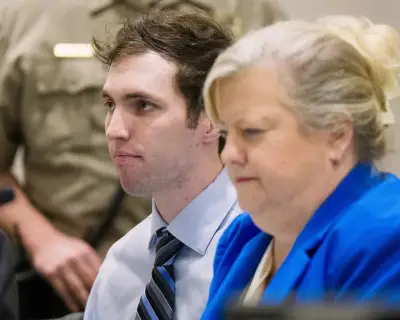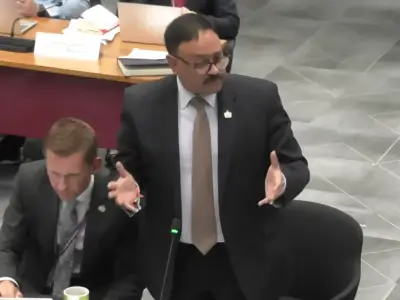
Offenders in England and Wales who kill their current or ex-partner will face a minimum sentence of 25 years in prison, an increase of 10 years, under plans announced by Justice Secretary David Lammy on Monday. The change comes after a seven-year campaign by mothers of victims, including Carole Gould, Julie Devey, and Elaine Newborough, whose daughters were murdered by former partners.
Background of the sentencing change
Previously, most domestic murders had a 15-year sentencing starting point because they often occur in the home with a weapon already present. In contrast, murders where a weapon is taken to the scene with intent carry a 25-year starting point. Lammy stated: “For centuries, the law failed to protect women from violence at the hands of their partner – whether from marital rape or from abuse behind closed doors. This change closes a long overdue gap and will ensure those who murder their partner face sentences that better reflect the devastating harm they cause.”
Cases that drove the campaign
The campaign was fueled by high-profile cases: sixth-form student Ellie Gould, 17, was murdered by her ex-boyfriend Thomas Griffiths on 3 May 2019; quantitative trading analyst Poppy Devey-Waterhouse, 24, was murdered by her ex-boyfriend Joe Atkinson on 14 December 2018; and Megan Newborough was murdered by her boyfriend Ross McCullam on 6 August 2021. In a statement via charity Killed Women, the mothers thanked Lammy, saying: “At last, women’s lives are being valued as highly as men’s. Since around 70% of victims of homicide in the home are women, it has long been unjust that those who murder them routinely receive substantially lighter sentences simply because the murder weapon, such as a kitchen knife, was already there, rather than brought to the scene.”

Impact and statistics
The Guardian’s killed women count campaign recorded 80 women killed in the UK in 2024, highlighting the extent of femicide. More than a fifth of all murders are domestic, with women overwhelmingly the victims. The sentencing change is part of the government’s commitment to halve violence against women and girls and ensure swifter justice for victims and their families.
Reactions and concerns
The increase was welcomed by Refuge and the domestic abuse commissioner, Dame Nicole Jacobs. However, Refuge urged the government to review partial defences that perpetrators use to obtain lesser convictions for manslaughter. Jacobs expressed disappointment that the change would not apply to victims killed by a family member, stating: “It’s no less heinous a crime when a parent is killed by their child or someone is a victim of so-called ‘honour’-based abuse by a relative.” Mark Day, deputy director of the Prison Reform Trust, warned that the announcement pre-empted the Law Commission’s review of homicide offences and would add pressure to a prison system already struggling with rising numbers due to longer sentences for serious offences.
Exceptions and next steps
The existing 15-year starting point will still apply where a victim of domestic abuse kills their abuser. The change is subject to consultation with the Sentencing Council.