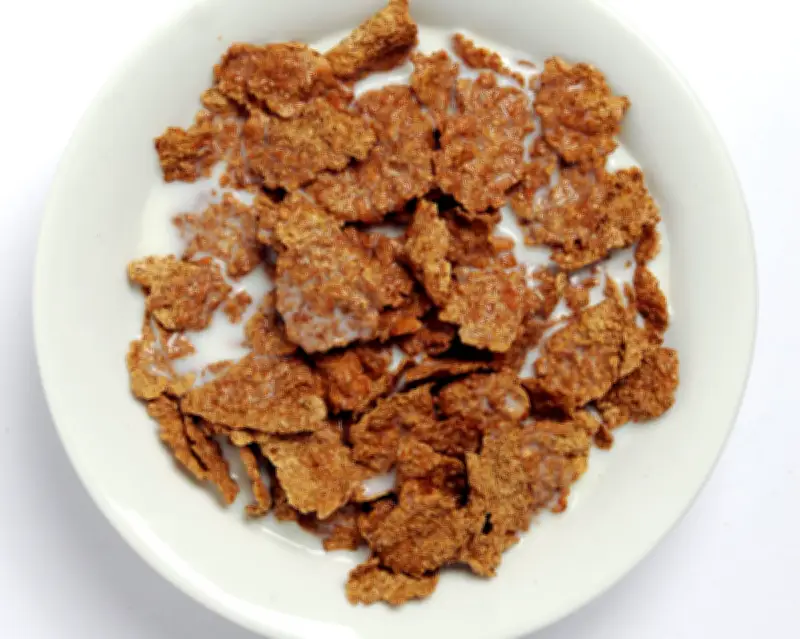
Bran flakes could be classified as junk food under new government guidelines aimed at promoting healthier eating in the UK. The proposed changes to the nutrient profiling model (NPM) would include naturally occurring 'free sugars' alongside refined sugar when determining whether a food is healthy or unhealthy.
What Are the Proposed Changes?
Officials want to update the UK nutrient profiling model to account for free sugars from natural sources, such as the glucose added to bran flakes from corn or wheat starch. This would likely result in bran flakes being deemed 'high in fat, salt or sugar' (HFSS) under the new system.
Britain has long been one of the world's largest consumers of breakfast cereals, despite ongoing concerns about their nutritional value. The government argues that the current rules are outdated and do not reflect the latest dietary advice.

Industry Reaction
Dean O'Brien, managing director of Kellanova (formerly Kellogg Company), expressed concern that the proposals could undo years of work by food companies to encourage healthier choices. He noted that Kellogg's has reduced sugar by 27% and salt by 22% in its cereals over the past decade, and that under current regulations, all children's cereals and four of five bestsellers are deemed healthy.
"However, under the newly proposed plans, cereals such as bran flakes, which are high in fibre and low in saturated fat, would be re-classified as less healthy," O'Brien said. He emphasized that breakfast cereals are nutritionally dense and fortified with vitamins and iron.
Government Position
A government spokesperson stated that the previous nutrition rules were 20 years old and did not reflect the latest dietary advice. The new model shifts the focus from total sugars to free sugars and promotes diets higher in fibre.
"Obesity and poor diets rob children of the best possible start in life, and this is about supporting parents to raise the healthiest generation of children by restricting the advertising and promotion of junk food," the spokesperson added. The government is currently consulting on applying the new model to advertising and promotions restrictions.
Historical Context
This is not the first time popular cereals have been flagged by nutritionists. In 2009, a survey by the consumers' organisation Which? found that typical portions of some cereals contained more sugar than a Cadbury chocolate Flake, despite manufacturers' claims of reducing unhealthy ingredients. Many brands perceived as healthy, including Kellogg's All Bran, Bran Flakes, and Special K, had high levels of sugar at that time.
The proposed changes highlight ongoing tensions between public health goals and industry efforts to market products as healthy. The outcome of the consultation could have significant implications for breakfast cereal manufacturers and consumers alike.