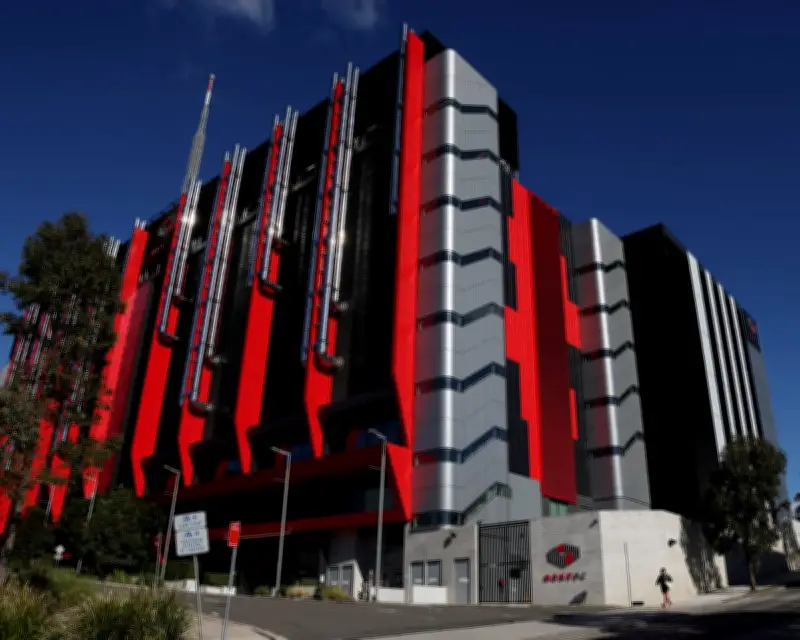
Environmental and community groups have called for an immediate pause on datacentre development until new regulations are in place, following Prime Minister Anthony Albanese's pledge to provide "greater clarity and speed" over their approval. In a landmark speech on artificial intelligence at the University of Sydney on Wednesday, Albanese announced that Australia would create a legal obligation for large-scale datacentres to underwrite new power supply, pay their full share of grid connection, and add as much energy to the grid as they consume.
New National Standards for Datacentres
The prime minister noted that these three obligations "take in every level of government and their overlapping powers," but said the national standards would ensure governments were aligned. All state and territory ministers at energy and climate change ministerial council meetings must agree to the new standards before adoption. Although most Australian datacentres are in New South Wales and Victoria, Queensland was the sole holdout on the proposal at the May meeting.
Fragmented Regulation and Coordination Challenges
Deanna D'Alessandro, professor and director of the Net Zero Institute at the University of Sydney, described the current approach to datacentre regulation as fragmented. "The commonwealth is focused on sovereign digital capability, productivity, critical infrastructure resilience and decarbonisation," she said. "States are balancing economic growth with energy, water and regional development challenges. Local councils are dealing with the immediate impacts on land use, housing, traffic, amenity and community expectations." The challenge, she added, is coordinating priorities to ensure economic benefits are captured while social licence is maintained.

Climate Council Warns of 'Race to the Bottom'
The Climate Council has warned that Queensland's reluctance could lead to a "state-by-state race to the bottom" on datacentre expansion. "The AI-driven surge in datacentres will have a profound effect on our energy system, and unchecked, this growth could mean soaring prices and rampant climate pollution," said Climate Council chief Amanda McKenzie. "The government must adequately regulate datacentre growth to ensure it occurs in the best interests of Australians."
Industry Response and Moratorium Calls
The peak organisation for the sector, Data Centres Australia, has previously opposed suggestions that operators should be 100% renewables powered. CEO Belinda Dennett told a NSW inquiry in May that while there is a desire to reach 100%, matching renewable energy project timing with datacentre timing is difficult. On Wednesday, Dennett said the devil will be in the detail but largely agreed with the prime minister's position. The new rules have left communities facing datacentre proposals uncertain. Five datacentres are planned for the northern Sydney suburb of Lane Cove, which would take up 40% of its industrial land, according to the Lane Cove Responsible Planning Group. Earlier this month, the group joined others in calling for a moratorium until stronger protections are in place.
Community Advocates Support National Regulation
Sasha Titchkosky of the Lane Cove Responsible Planning Group welcomed the prime minister's speech as recognition of the need for national regulation and supports a national body to assess the power, water, and infrastructure needs of the "highly extractive" industry. However, she said the announcement makes a moratorium on current proposals even more necessary. "There shouldn't be any new approvals given until this regulatory framework is established," she said. This week, New York Governor Kathy Hochul announced a one-year moratorium on hyperscale datacentre approvals in the US state. Australian Greens communications spokesperson Sarah Hanson-Young said Australia should implement a similar moratorium on large datacentre development until proper rules on energy, water use, and environmental and community impact are in place. "Today's announcement … is welcome, but with more than 90 datacentres already in the pipeline we cannot allow a free-for-all in the meantime," she said.