
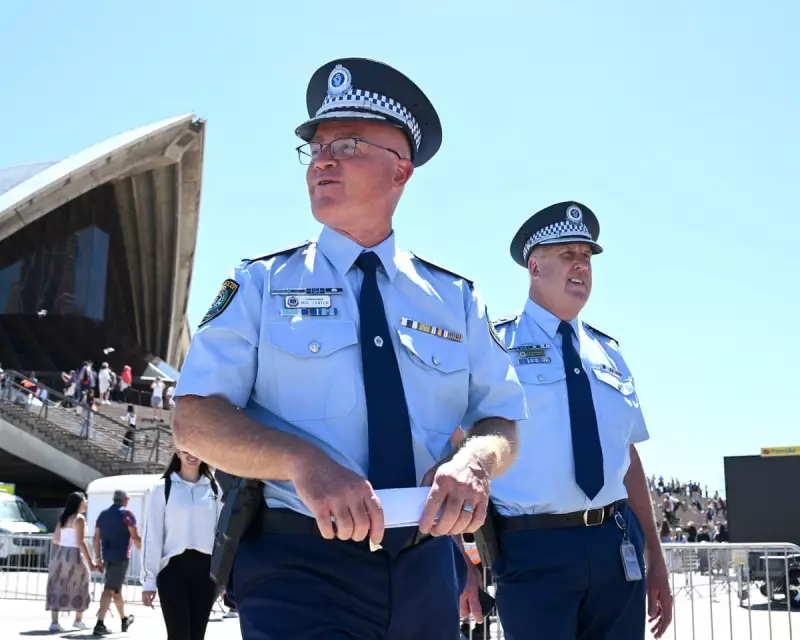
The New South Wales police commissioner has prolonged stringent restrictions on public assemblies in central Sydney for a further fortnight, a move immediately condemned by activist groups who are preparing a constitutional challenge.
Commissioner Cites Ongoing Safety Concerns
On Tuesday, Police Commissioner Mal Lanyon confirmed he was extending a public safety declaration covering Sydney's CBD, southwest, and northwest policing areas. The decision, made under powers fast-tracked through parliament last month, prevents any protest from receiving official authorisation via the state's Form 1 system until 20 January.
Commissioner Lanyon stated the extension was made "in consideration of the ongoing community safety impacts" following the alleged Bondi terror attack, which he described as the most significant terrorist incident in NSW. He insisted the move was "not about stopping free speech" but about allowing the community time to grieve.
The legislation does not outright ban protests, but it strips organisers of legal protections for offences like obstructing traffic if they proceed without authorisation. Police also gain enhanced move-on powers if they believe an unauthorised assembly breaches summary offences.
Legal Challenge and Political Backing
In response, the Palestine Action Group (PAG) announced it would file a constitutional challenge against the law in the NSW Supreme Court this week. A coalition of groups, including Jews Against the Occupation 48 and the Blak Caucus, are supporting the action.
"None of this has anything to do with public safety or stopping ISIS-inspired terror attacks," the PAG said in a statement. "All it does is allow bad governments to silence the people’s voices."
The decision has the full backing of the Minns government. Police Minister Yasmin Catley stated the government "unequivocally supports the commissioner’s decision," adding that such calls are based on police intelligence and risk assessment. Premier Chris Minns has previously dismissed civil liberties concerns as "overblown" rhetoric.
Invasion Day Rallies in the Balance
When questioned whether the declaration could be extended again, potentially affecting planned Invasion Day rallies on 26 January, Commissioner Lanyon said it was "very premature to consider that." He confirmed police would reassess the need closer to the end of the new 14-day period. The law permits extensions for a total of up to 90 days.
Lanyon revealed he was aware of one application for a public assembly during the restricted period, which has now been rendered invalid. He pointed to recent rallies concerning Venezuela, where three people were arrested and later released without charge, as an example of the "potential for counterprotests which could lead to a public safety incident."
Timothy Roberts, President of the NSW Council for Civil Liberties, criticised the extension, arguing the use of these powers is having an "extraordinary chilling effect on our democratic rights."




