
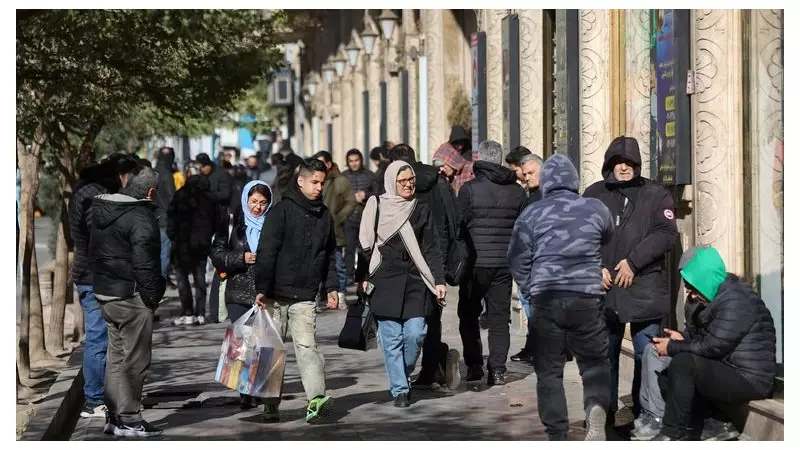
Protests over Iran's severe economic crisis have escalated into deadly violence, with several people reported killed in clashes between demonstrators and security forces. The unrest, which began among shopkeepers in Tehran on Sunday, has now spread to other cities and social groups, marking the most significant wave of public dissent in the country for three years.
From Peaceful Protests to Bloodshed
The demonstrations were initially triggered by soaring inflation and a record plunge in the value of the Iranian currency. Frustrations boiled over as the economy continues to suffer under the weight of Western sanctions, inflation estimated at around 40%, and the fallout from attacks on the nation's nuclear infrastructure.
By Wednesday night, the situation reached a bloody climax. According to the semi-official Fars news agency, clashes in the western city of Lordegan resulted in multiple deaths. The agency cited a source claiming the violence involved armed protesters and police.
The rights group Hengaw offered a different account, stating that security forces opened fire on protesters in Lordegan, killing and wounding several people in the crowd. Authorities separately confirmed one death in the western city of Kuhdasht, while Hengaw reported another protester was shot dead in the central province of Isfahan.
A Nationwide Movement and a Security Crackdown
What started with Tehran's shopkeepers has rapidly expanded. University students in the capital have joined the protests, and on Wednesday, demonstrators attempted to break into a government building. The activist news site HRANA reported a heavy security presence across multiple cities, with arrests, shootings, and clashes occurring in various areas.
The Revolutionary Guards, Iran's powerful military force, announced that a member of its Basij volunteer paramilitary unit was killed in Kuhdasht, with 13 others wounded. Hengaw also reported that numerous protesters were detained on Wednesday in the western provinces of Kermanshah, Khuzestan, and Hamedan.
A Testing Moment for the Iranian Authorities
This wave of protests presents a dangerous challenge for Iran's leadership. The demonstrations are the first major unrest since airstrikes over the summer prompted a wave of national solidarity, highlighting how quickly economic pressures have eroded that sentiment.
In an unusual move, authorities this week offered to establish a "dialogue mechanism" with protesters. On Thursday, government spokesperson Fatemeh Mohajerani reiterated that officials would speak directly to representatives of trades unions and vendors, though details of this proposed dialogue remain vague. This conciliatory gesture, running parallel to a continued heavy-handed security response, underscores the regime's limited options for alleviating the deep-rooted economic problems fuelling the anger on the streets.




