
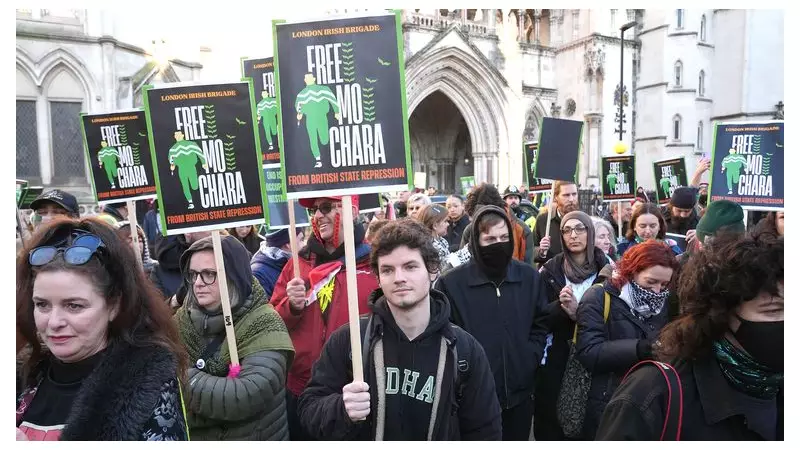
The High Court in London has heard an appeal by prosecutors seeking to revive a terrorism case against a member of the Irish rap group Kneecap, after the original charge was dismissed on a technicality last year.
The Core of the Legal Challenge
Liam Og O hAnnaidh, the Kneecap member known as Mo Chara, was charged in May 2025. The charge related to the alleged display of a flag in support of the proscribed group Hezbollah at a London gig on 21 November 2024.
However, in September 2025, Chief Magistrate Paul Goldspring at Woolwich Crown Court dismissed the case. He ruled the charge was "unlawful" and that he had no jurisdiction, agreeing with defence arguments that prosecutors had failed to secure the Attorney General's consent within a strict legal timeframe.
Arguments at the High Court
At the appeal hearing on Wednesday, 14 January 2026, the Crown Prosecution Service (CPS) argued the lower court "fell into error in his interpretation of the law." Paul Jarvis KC, for the CPS, contended that the necessary permission from the Attorney General was in place before O hAnnaidh's first court appearance on 18 June 2025, validating the proceedings.
In opposition, Jude Bunting KC, representing O hAnnaidh, maintained that the chief magistrate's findings were "unassailably correct." He stated the consent was given a day too late, falling outside the six-month window for bringing such charges, rendering the case's institution unlawful.
Support and Political Backing
The hearing drew supporters and protesters outside the Royal Courts of Justice. Bandmate JJ O'Dochartaigh (DJ Provai) and manager Daniel Lambert attended, receiving vocal backing.
Belfast MPs addressed the crowd, with John Finucane, MP for North Belfast, stating, "We will continue to stand with Liam." Paul Maskey, MP for Belfast West, criticised the appeal, saying it stemmed from the British government's refusal to accept the initial dismissal.
After a full day of evidence, Lord Justice Edis and Mr Justice Linden reserved their judgment, stating they would hand it down at a later date.




