
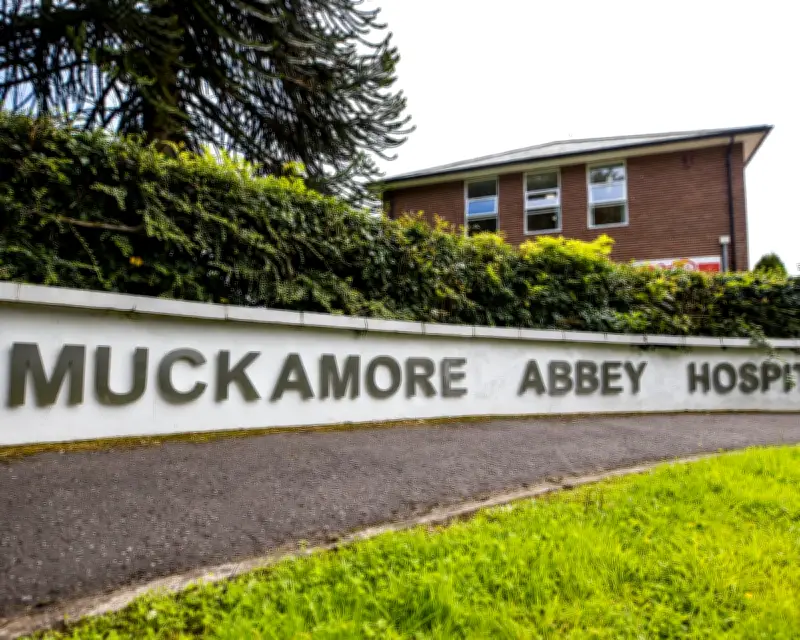
An inquiry into the abuse of vulnerable adults at Muckamore Abbey Hospital in Northern Ireland has concluded that mistreatment became a normality, with patients suffering black eyes, broken bones, and severe neglect. The hospital is at the center of the United Kingdom's largest police investigation into alleged abuse of vulnerable adults, with 124 individuals referred for prosecution.
Inquiry Findings
Chaired by Tom Kark KC, the inquiry found that residents experienced physical abuse, neglect, poor care, and a diminution of their rights. Many patients had their lives made miserable by systematic bullying from certain staff members. Kark reported evidence of patients receiving black eyes and broken bones, not being washed, having feces under their fingernails or on their clothes, and becoming obese or losing weight dramatically due to lack of dietary care. Others were over-medicated and described as zombified.
Recommendations and Failures
The inquiry made 106 recommendations in response to the profound catalog of failures at the hospital, including eliminating the use of medication to subdue individuals and ensuring families are more closely involved in care planning and decision-making. Starting in 2022, the inquiry heard oral evidence from 181 witnesses and received 333 statements. Investigators reviewed over 300,000 hours of CCTV footage from the hospital.
Main Findings
- Escalation of violence between patients and increased use of seclusion from 2011 onward were warning signs and precursors to mistreatment by staff.
- Chronic staff shortages led to essential care not being given and patients' ability to cope with daily living diminishing.
- A policy shift in 2001 to move patients with learning disabilities and autism from hospital to community-based care was beset with failure, leading to heightened distress and many readmissions.
- Lack of activities for patients often led to frustration, boredom, and dysregulated behavior, and Muckamore became more functional and less homely over time.
- A closed culture among staff discouraged reporting of bad behavior, and many families feared complaining in case it affected their relatives' care.
The hospital, run by the Belfast Health and Social Care Trust in County Antrim, has cared for adults with severe learning disabilities and mental health needs, many non-verbal, since 1949. Allegations of abuse first emerged in 2017.
Reactions
Claire McKeegan, a solicitor representing several families, said the inquiry confirmed abuse on a staggering scale. For years, families were told they were exaggerating or simply not listened to. She called for those responsible to be held accountable and for survivors and families to receive redress.
The 700-page report noted that patients as young as six were admitted, resettlement often failed, and some people lived almost their whole lives there. Kark found that the regulator spotted several issues but never detected the abuse. He stated, "The lessons from Muckamore Abbey Hospital are stark. This cannot be allowed to happen again."
Jon Sparkes, chief executive of Mencap, called it a significant moment for people with learning disabilities and their families, emphasizing that the true legacy will be measured by actions following the report.
Stuart Elborn, chair of the Belfast Health and Social Care Trust, apologized to all patients and families harmed, acknowledging failures in leadership, culture, and governance. He said a new leadership team is in place to rebuild trust by implementing recommendations.
Relatives of former patients described the report as harrowing but a vindication of their efforts. Jennifer Dawson, whose brother Matthew McPeake was at the facility for 17 years, called it a traumatic but monumental day. Glynn Brown, whose non-verbal son was assaulted, said managers assured him it was a one-off, but he did not believe them and went to the police, stating, "There was red flags everywhere, but everybody was wearing blinkers."




