
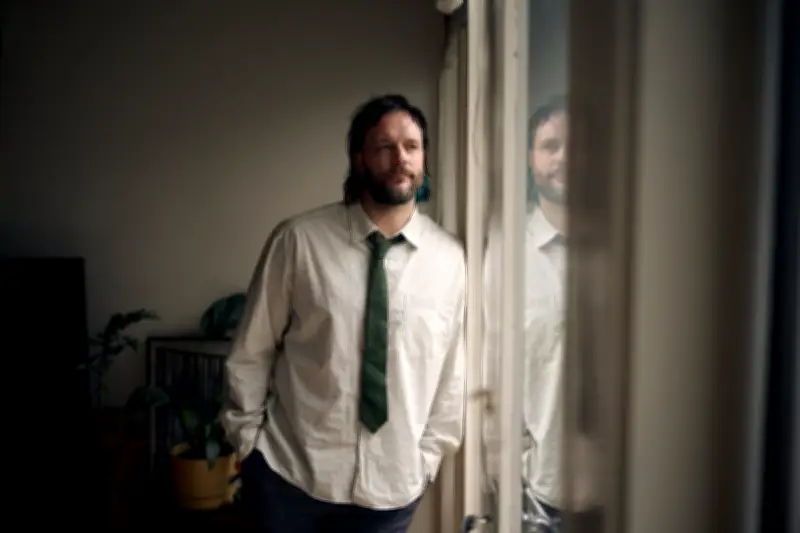
Former West Coast AFL footballer Mitch Brown has revealed how he came dangerously close to embracing the manosphere after the breakdown of his marriage in 2024. Now a public advocate for healthy masculinities, Brown says he struggles to reconcile that version of himself with the man he is today, but believes it is important to tell these stories to help other men find their way out.
The reach of the manosphere
Brown warns that the manosphere is far more widespread than a fringe ideology. A 2022 survey by The Man Cave found that a quarter of young Australian men saw Andrew Tate as a role model, and 36% found him relatable. Subsequent studies show the movement is on the rise both in Australia and overseas.
Louis Theroux's documentary Inside the Manosphere brought the conversation into the mainstream, exploring how influencers monetise content on dating, fitness, and self-improvement by selling courses and memberships. Brown was not tempted to buy a course, but he identified the underlying belief that feminism is to blame for men's suffering.
How it started
Brown describes himself as a lifelong feminist and a people pleaser who wore a mask to gain approval. The end of his marriage shattered that identity. He felt abandoned and judged by friends and community, and became vulnerable and lonely. His world shrank, and his dependence on the online world grew. The algorithm fed him content with a subtle thread of misogyny, and he found himself agreeing with criticism of feminist voices like Abbie Chatfield. His political beliefs shifted, and he blamed everyone but himself for problems at work. He was angry, lonely, and stuck in a cycle of victimhood, believing the world was out to get him.
The intervention
Brown credits his ex-wife Shae and his new partner Lou with interrupting that cycle. He says, 'I am repulsed now by some of my actions and beliefs from that time, but neither woman ever turned their back on me. They validated and found empathy for my feelings of abandonment, while still holding me accountable for my own actions and privileges. Eventually they created space for me to break down the mask I had worn for so long, to wade through the anger and frustration, and to be honest for the first time about who I was and how I felt about things. These two women changed and saved my life.'
This experience paved the way for Brown to come out and share his sexuality with the world in late 2025, and brought a sense of peace and self-acceptance he had never felt before.
A call for empathy, not shame
Brown understands the lure of victimhood and blaming external forces for suffering, but says it is not real. He references a quote attributed to film producer Franklin Leonard: 'When you are accustomed to privilege, equality feels like oppression. It's not.' He acknowledges that many men who don't feel particularly privileged beyond their gender may find this hard to grasp.
Rather than shaming these men, Brown argues, 'we need to sit alongside them, understand their pains and frustrations, and guide them to take accountability for their own lives, happiness, and impact on others.' He notes that it is often women and gender-diverse people doing this work—the groups most likely to be harmed by men's behaviour. As a man and a father, Brown believes it is his responsibility to model this for the men and boys in his life, starting with uncomfortable conversations about how men end up in these spaces and how they can get out.




