Irish Police Clear Dublin Fuel Protest Blockade After Six Days of Disruption
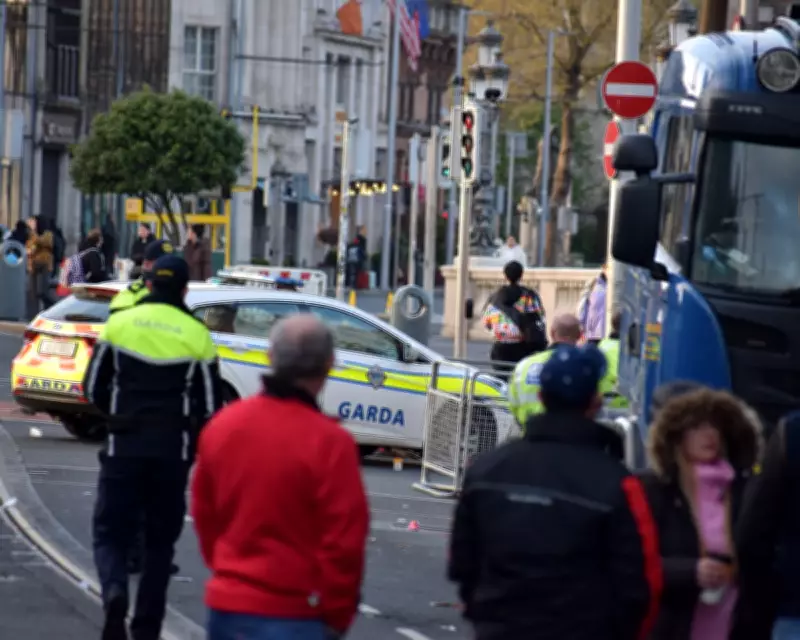
Irish police have successfully cleared a major blockade in central Dublin staged by farmers and hauliers protesting soaring fuel prices, potentially signaling an end to six consecutive days of demonstrations that have severely disrupted the nation. The peaceful operation on Sunday morning saw hundreds of officers, including mounted units, regain control of O'Connell Street, removing trucks and tractors that had occupied the thoroughfare.
Coordinated Police Actions Across Multiple Locations
In addition to the Dublin operation, police units sealed off a section of Galway in an attempt to end a blockade at a fuel depot. This action followed Saturday's removal of protesters from outside the Whitegate oil refinery in County Cork, which resulted in scuffles and the use of pepper spray. Protesters at a fuel terminal in Foynes, County Limerick announced they would lift their blockade by Sunday afternoon.
The protests, which began as a response to a 20% surge in fuel prices since last month—a knock-on effect from Middle East conflicts—have caused significant traffic chaos and disrupted fuel distribution nationwide. Despite hundreds of forecourts running dry, a Sunday Independent poll revealed that 56% of voters supported the protesters, with analysts attributing this solidarity to the broader cost of living crisis affecting Ireland.
Government Response and Political Divisions
An emergency cabinet meeting was expected to approve measures aimed at reducing fuel costs and resolving the political crisis that has divided the government. Some leaders advocated for a tough response against what they termed "economic sabotage," while others favored accommodation. The government stated it would only publicize these targeted, temporary measures—designed to help agriculture, transport, fishing, and other affected sectors—after the protests concluded.
It remains uncertain whether the combined police actions and proposed financial alleviation, a carrot-and-stick approach, will fully quell the protests. These demonstrations have shown effective coordination despite lacking central leadership or formal organization.
Protesters' Perspectives and Future Plans
Following the clearance, roads and motorways that had been blocked began flowing freely again. Many protesters who had spent successive nights sleeping in their vehicles expressed relief at going home, but others voiced resentment at police actions and vowed to continue until their demands were met.
Christopher Duffy, a spokesperson for the protesters, emphasized the peaceful nature of their assembly, stating, "Nobody in the city of Dublin or the country could say our assembly was anything but peaceful." He explained that the police threat to tow vehicles compelled their withdrawal, as tractors and trucks would be damaged if dragged without engines running. "We have no choice. Financially, we have to move the vehicles," he said, urging independent and rural lawmakers to withdraw support from the centre-right coalition government of Fine Gael and Fianna Fáil. When asked if the overall protests were over, Duffy responded, "I don't think so."
Another spokesperson, James Geoghegan, told RTÉ that protesters would not back down until their demands were met. "This protest does not end until the cost of living is dropped to a level that we can stay in business," he declared. "Lads can go home and regroup. A lot of lads want to go home and take maybe a day's rest and come back out because until the issues are solved, the protest doesn't end."
The situation highlights the ongoing tension between public dissent and governmental authority in Ireland, with fuel prices serving as a flashpoint in the wider cost of living crisis. As the country awaits the government's announced measures, the potential for renewed protests looms, dependent on whether the proposed alleviation satisfies the demonstrators' core demands.