
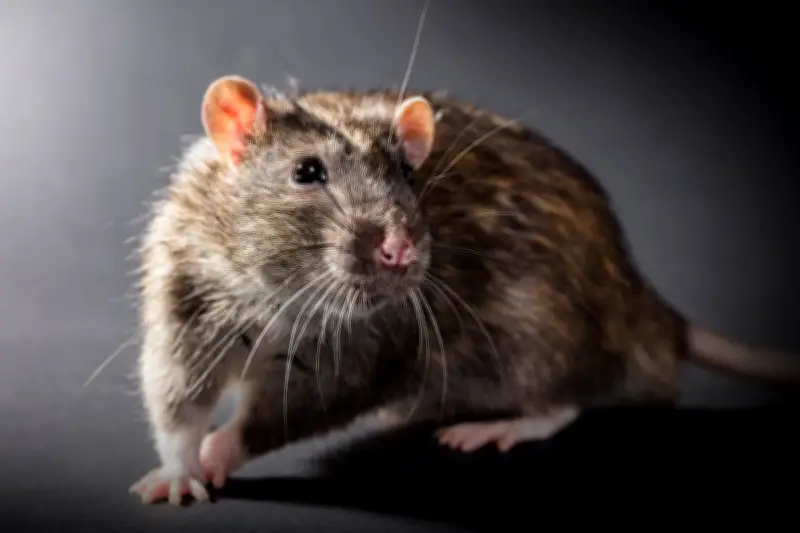
The use of a therapy ferret to kill rats at Wetherby young offenders institution in West Yorkshire has sparked outrage, with critics questioning whether children should be held in such conditions. The Guardian reported the incident under the headline 'Concerns over therapy ferrets used to kill rats at UK's largest children's prison,' but many feel the word 'concerns' understates the gravity of the situation.
Disturbing Details of the Incident
According to a complaint from the Prison Officers' Association, the ferret attacked a rat in front of its young inmate handler, but did not kill it. The scene ended with a prison officer stomping on the injured rat. The National Ferret Welfare Society condemned the act, stating, 'We cannot condone the stamping to death of any animal in any situation.'
The sound of a rat in pain is surprisingly loud and human-like. The incident raises the question of whether this environment is suitable for any human, regardless of their offences.
Historical Context of Vermin in Prisons
Vermin are not new to British prisons. Seven years ago, a 71-year-old man sued the prison service over PTSD he claimed to have suffered from rats running over his face and body every night during a short sentence at Wormwood Scrubs. He had been sentenced for benefit fraud, which he denied. The disproportionality of the punishment—imprisonment for a low-level financial crime—highlights a systemic issue.
An ex-governor of Wandsworth prison described a severe mouse problem in the 1980s, when slopping out was still in practice and prison officers went on strike. He recalled that turning on the kitchen lights at night revealed a 'grey carpet' of scattering mice. His conclusion was that it is difficult to persuade prisoners that you care about them when they are kept in squalor.
Impact on Young Offenders
In the youth estate, where prisoners have often been failed by multiple authority figures, trust is fragile. If custody is not a neutral experience, it can make everything worse. The issue is not just about animal welfare or public health, but about the fundamental question of whether we should incarcerate children at all. Some advocate for ending child imprisonment altogether, ending privatisation of public services, or adopting a Finnish model of young offender management.
As Zoe Williams argues, if we cannot manage children in custody humanely, we are not fit to hold them in custody at all.




