
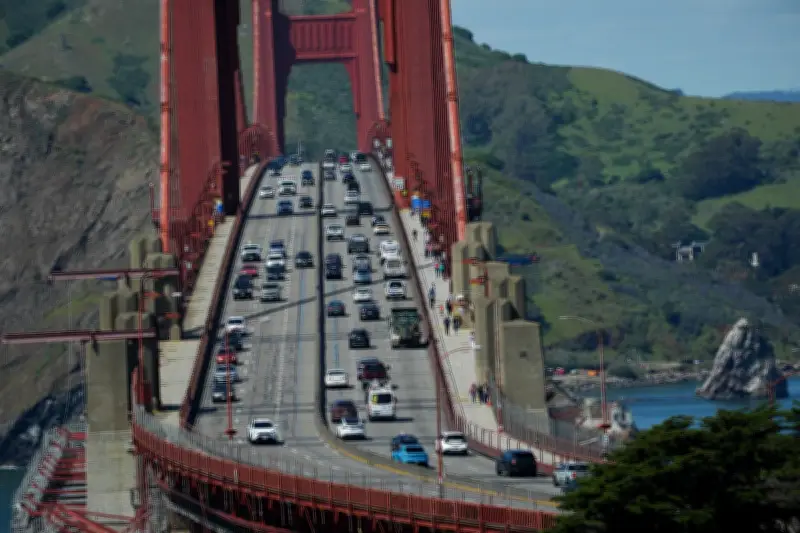
A San Francisco jury found 13 climate protesters guilty of obstructing traffic on the Golden Gate Bridge in April 2024, rejecting their defense that the blockade was a necessary act to draw attention to the climate crisis. The verdict, delivered on July 2, 2026, after a two-week trial, carries potential jail time of up to six months and fines of up to $500 for each defendant.
Protest details and charges
The demonstration occurred on April 15, 2024, when activists from the group Extinction Rebellion linked arms and blocked all southbound lanes of the bridge for more than four hours during the morning commute. The protest caused massive traffic jams, with some drivers stranded for hours. Police arrested 14 individuals, but one later had charges dropped. The remaining 13 faced misdemeanor charges of willfully obstructing a public thoroughfare.
During the trial, prosecutors argued that the defendants knowingly broke the law and disrupted the lives of thousands of commuters. Deputy District Attorney Sarah Thompson stated, "They had every right to protest, but not to shut down a major artery of our city."
Defense argument of necessity
The defense invoked the doctrine of necessity, arguing that the climate emergency justified the blockade because the government had failed to take adequate action. Expert witnesses testified about the severity of climate change, including sea-level rise and extreme weather. However, the judge instructed the jury that the necessity defense could only apply if the defendants faced an imminent threat that they had no legal way to avert. The jury concluded that the protesters had other legal means to advocate for climate action.
Defendant Maria Lopez, a 34-year-old teacher, said after the verdict: "We are not criminals; we are citizens trying to protect our children's future. The real crime is the inaction on climate change."
Impact and reactions
The verdict has sparked debate about civil disobedience and climate activism. Supporters of the protesters argue that traditional channels have failed to produce meaningful change, while critics insist that such actions alienate the public and undermine the rule of law. San Francisco Mayor Daniel Lurie commented, "We respect the jury's decision. Protest is a fundamental right, but it must not endanger public safety or disrupt essential services."
The case is part of a broader trend of climate activists facing legal consequences for disruptive protests. In recent years, similar demonstrations on highways and bridges in the UK, Germany, and Australia have resulted in convictions. The defendants are expected to appeal, citing the urgency of the climate crisis. Sentencing is scheduled for August 15, 2026.




