
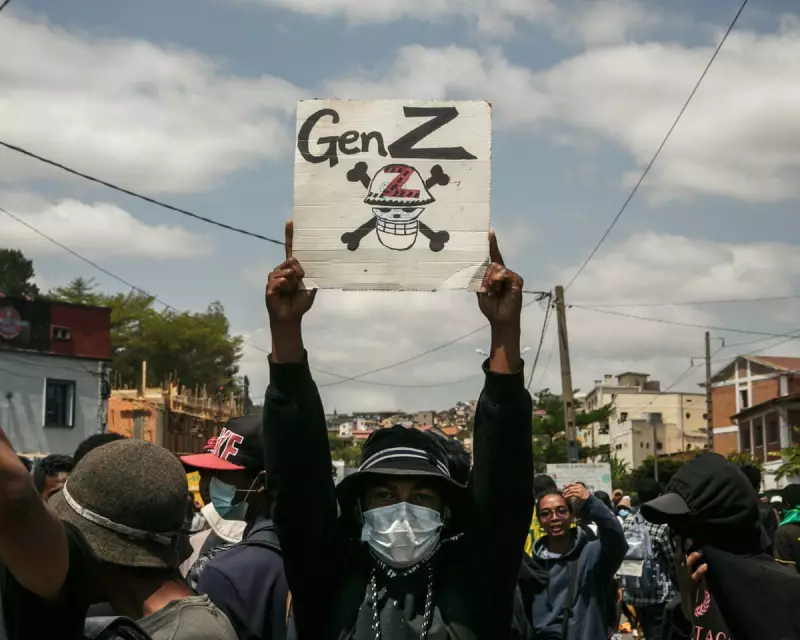
The year 2025 will be remembered as a watershed moment for youth-led political movements across the globe. Mass protests spearheaded by Generation Z activists succeeded in unseating governments in Nepal and Madagascar, while reigniting powerful campaigns for change in nations from Kenya to Morocco.
This wave of dissent, often inspired by the 2024 revolution in Bangladesh, saw young people confront heavily armed police and risk arrest. While not every movement achieved its ultimate goal, a common thread united them: a generation born into climate uncertainty and digital connectivity was no longer willing to accept corruption and autocratic rule.
The Spark: From Rappers to Maternal Deaths
Protests erupted from specific, often localised, grievances that quickly symbolised wider systemic failures. In Togo, the arrest in early June of a rapper known for anti-corruption lyrics ignited demonstrations against President Faure Gnassingbé's rule. Student Bertin Bandiangou, 25, was among dozens arrested and tortured, yet remains committed to the cause.
Similarly, in Kenya, a gen Z uprising initially focused on tax rises in 2024 was reignited in June 2025 following the death in custody of a prominent blogger. Activist Hanifa Adan Safia, 29, found herself on the frontline once again.
In Nepal, anger over government corruption, nepotism, and the banning of social media apps used to criticise elite lifestyles culminated in protests that toppled the government in September. Political consultant Pradip Gyawali, 25, was a key participant.
The Madagascar government fell the following month, with campaigns driven by fury over corruption and basic service failures. Transparency campaigner Shely Andriamihaja, 26, highlighted chronic water and electricity shortages in the capital, Antananarivo, as a key catalyst.
In Morocco, artist Imad Zoukanni, 28, joined protests that began in Agadir in October after several pregnant women died during Caesarean sections at one hospital. The demonstrations rapidly spread to Marrakech, fuelled by anger over healthcare neglect and high unemployment.
Root Causes: Corruption, Joblessness, and Collapsing Services
Activists from all five nations identified a toxic triad of issues crippling their futures.
Corruption was cited as the foundational wound. "Corruption directly steals from hospitals, schools, roads and food security," said Kenya's Hanifa. Shely from Madagascar noted youth are "the first victims," especially in crumbling universities. Imad from Morocco summed it up: "It’s all about corruption."
Unemployment for educated youth is a devastating consequence. "Young people can have degrees but not jobs," explained Togo's Bertin. Pradip from Nepal described friends forced abroad, while Imad emphasised work is about "dignity, independence and hope."
Collapsing Public Services provided the final spark. From Kenya's failing healthcare and universities to Madagascar's power cuts and Morocco's maternal care crisis, the state's failure to deliver basic amenities proved intolerable. Shely criticised investments in vanity projects like a "failed cable car" over solving water shortages.
A Global Generation in Solidarity
A defining feature of these movements is their sense of transnational solidarity. Bertin in Togo expressed happiness and sent energy to protesters in other countries. Hanifa felt Kenyan gen Z was part of a "wider global wave" including Bangladesh, Indonesia, and Peru.
The success in Nepal particularly resonated. "In people’s minds, it was like if they could do it, we can do it also," said Shely, describing its inspirational effect in Madagascar. Imad identified a "collective refusal to be silent" shaping his generation globally.
What Comes Next? The Fight Continues
The fall of a government is not the end of the struggle. For Bertin in Togo, immediate demands include releasing political prisoners and the removal of President Gnassingbé. "We cannot live in a country where some people profit from the resources... and others will have only one meal a day," he stated.
In Nepal, Pradip hopes the transitional government will lead to elections and a new parliament with youthful representatives to "set a new path."
Shely in Madagascar hopes for a future where citizens live with dignity and youth have quality education, acknowledging "the path... is still far, but now at least we are working towards it."
The protests of 2025 have demonstrated that Generation Z, often labelled the 'anxious generation,' is also a generation of formidable, connected, and determined activists. Their collective action has redrawn political landscapes and issued a stark warning to elites worldwide: accountability is no longer optional.




