
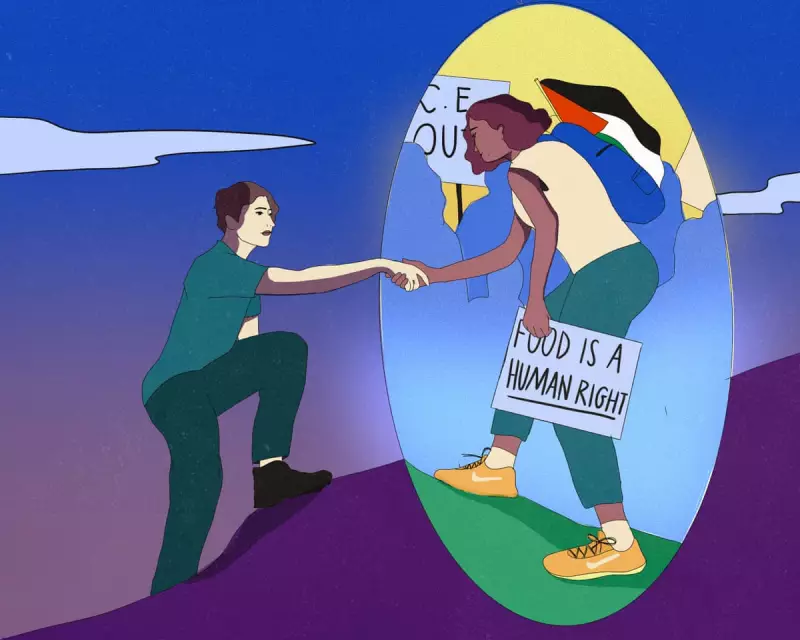
In a society increasingly fractured by isolation, a powerful antidote is emerging from an unexpected source: activism. Across the United States, individuals engaged in social movements, mutual aid projects, and political organising are discovering that the fight for a better world is also healing a profound personal void, offering connection and a renewed sense of purpose.
From Grief to Grassroots: Finding Purpose in Organising
For Lani Ritter Hall, the loss of her husband Gus in 2022 left her feeling anchorless. At 76, the former educator had dedicated herself to his care, and his passing stripped away her daily raison d'être. Her trajectory shifted dramatically when she encountered an article about Third Act, a group mobilising older adults to protect democracy and confront the climate crisis.
Despite no prior experience in activism, Ritter Hall reached out. She soon became a volunteer coordinator, hosting over 120 Zoom calls in ten months to welcome newcomers. In a life stage where many face deepening loneliness, she found herself more connected than ever. "It's been the biggest joy of my life," she said.
Her story is not unique. From millennials who forged lasting friendships while volunteering at reproductive healthcare clinics to younger canvassers celebrating 'Friendsgiving' together, movement-building spaces are providing vital social glue. This occurs against a stark backdrop: former surgeon general Vivek Murthy has declared a national "loneliness epidemic," with civic engagement in steady decline for decades.
Solidarity as a Foundation for Deep Connection
While the initial drive for many is a desire to correct injustice, the community forged in the process often becomes a compelling reason to stay. For Ritter Hall, the overturning of Roe v Wade and threats to other rights galvanised her. "My Gus was African American. I'm white," she explained, appalled at the idea her interracial marriage could be undermined. "It was time for me to step up."
Emmanuel "Juni" Taranu, an organiser with the St Louis Palestine Solidarity Committee, found a similar deep bond. With a birth family holding differing views, Taranu built familial relationships within the movement, including with a Palestinian American couple they now consider mentors and family. "We go out to dinner together, to comedy shows, celebrate birthdays together," Taranu said, attributing this depth to the shared values and solidarity formed in collective struggle.
Psychologist Dr. Tangela Montgomery of the University of Buffalo notes this values-based connection sets activist communities apart. "The most amazing thing activism does for the individual is give them a sense of community. For someone with a minority identity who is being oppressed, that sense of community literally can be life-saving," she stated.
Navigating Challenges and Building Collective Care
This path is not without its difficulties. Montgomery's research indicates that "high-risk activism"—actions with arrest potential—can negatively impact mental health. Similarly, 'movement chaplain' Gabrielle Gelderman warns that groups can push members toward burnout if self-sacrifice is not balanced with collective care.
However, these risks underscore the need for strategic involvement. Many groups carefully decide whom to place on the frontlines, protecting more vulnerable members. Crucially, movement-building extends beyond dramatic protests to include everyday actions like union organising, community food pantries, and neighbourly canvassing.
Mary Holzman-Tweed, 48, from Queens, New York, testifies to the transformative power of such work. Struggling with alcoholism and social anxiety, she joined a mutual aid food pantry during the pandemic lockdowns. The work was challenging, and consensus-building meant not everyone became a close friend. Yet, learning to collaborate for a shared cause was life-altering.
"I went from being extremely isolated, and really only a recognizable face at my local bar, to walking down the street with my partner at a street festival and barely being able to move five steps before someone's calling out my name," she shared. The skills she gained boosted her confidence, leading her to poetry readings and book clubs.
Five years on, the pantry outlasts the crisis that created it. Holzman-Tweed's advice to others is simple yet profound: "We have to go out and touch people, because we never know what's going to save us." In a lonely world, the act of reaching out to change it may be the very thing that saves the changer.




