Wrongfully Convicted Men Urge Parliament to Overhaul Compensation System
Three men who collectively spent nearly eight decades in prison for crimes they did not commit have delivered powerful testimony to a parliamentary inquiry, demanding urgent changes to England and Wales' compensation laws for wrongful convictions.
Justin Plummer, Oliver Campbell and Peter Sullivan - all exonerated by the Court of Appeal - revealed they remain ineligible for compensation despite having their convictions formally quashed, highlighting what campaigners describe as a "cruel and absurd" legal loophole.
The Impossible Burden of Proof
Under current legislation, individuals who have been wrongfully imprisoned must prove their innocence "beyond reasonable doubt" to qualify for compensation, even after their convictions have been overturned by the highest criminal court in the land.

This requirement has resulted in numerous high-profile miscarriage of justice survivors having their compensation claims rejected, creating what lawyers describe as a "second injustice" following their release from prison.
Decades Lost Without Redress
Justin Plummer, who served 28 years for a murder he did not commit before being released last year, told the All-Party Parliamentary Group on Miscarriages of Justice: "It's ridiculous. I've been through a minefield once. Now, on release, I'm thinking 'oh plain sailing, I should be all right' but no, no, no."
Plummer, who developed mental health problems during his wrongful imprisonment, emphasised: "I do really need it [compensation]. I've got mental health problems through this wrongful conviction so I don't want compensation for mad housing, mad holidays, I want it so I can get treatment."
Learning Disabilities and False Confessions
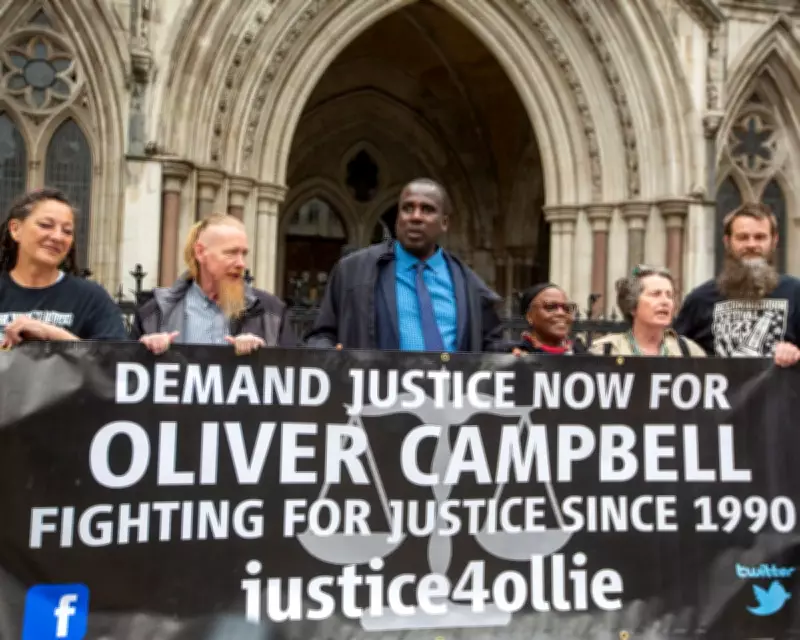
Oliver Campbell, who spent 11 years in prison after receiving a life sentence in 1991 aged 21 for conspiracy to rob and murder, was only cleared in 2024. Campbell, who has learning disabilities, says he was bullied into making a false confession.
His lawyer, Glyn Maddocks KC, explained the particular difficulties in Campbell's case: "It was more difficult to prove Campbell's innocence beyond reasonable doubt because, when quashing his conviction, the court of appeal did not criticise the way in which his confession was obtained, the way Met police officers handled him, nor did it refer to statements by Eric Samuels, who was jailed for involvement in the robbery, exonerating Campbell."
Britain's Longest-Running Miscarriage of Justice
Peter Sullivan, who served 38 years before his murder conviction was quashed last year in what is believed to be the longest-running miscarriage of justice involving a living inmate in British history, also attended the parliamentary meeting.
His solicitor, Sarah Myatt, revealed that despite parliamentary calls for his compensation application to be prioritised, Sullivan continues to wait while struggling to survive on benefits. "When somebody has been through that process for all those years they shouldn't have to face basic difficulties like that," Myatt stated. "Why can there not be an interim payment within even a few days?"
Legal Professionals Condemn System
Katy Thorne KC, representing Justin Plummer, questioned the fundamental fairness of the current system: "How on earth can you prove innocence beyond reasonable doubt? You haven't got the resources of the police to go and investigate the crime that took place in 1997 and find the culprit."
Glyn Maddocks KC added: "The message hasn't got through that people like Oliver and Justin are not going to receive a penny of compensation. I think if the public knew that ... they could be up in arms."
Calls for Immediate Reform
The testimonies have intensified pressure on the Ministry of Justice to reform compensation rules for wrongful convictions. Campaigners argue that the current system creates unnecessary hardship for individuals who have already suffered profound injustice.
The parliamentary inquiry continues to examine whether the compensation threshold should be lowered or whether automatic compensation should be granted following successful appeals, bringing England and Wales into line with international best practices for supporting exonerees.