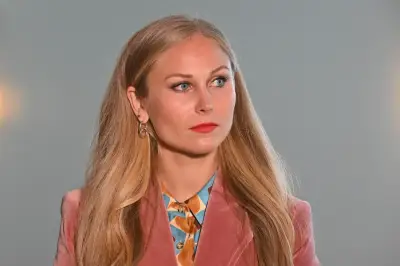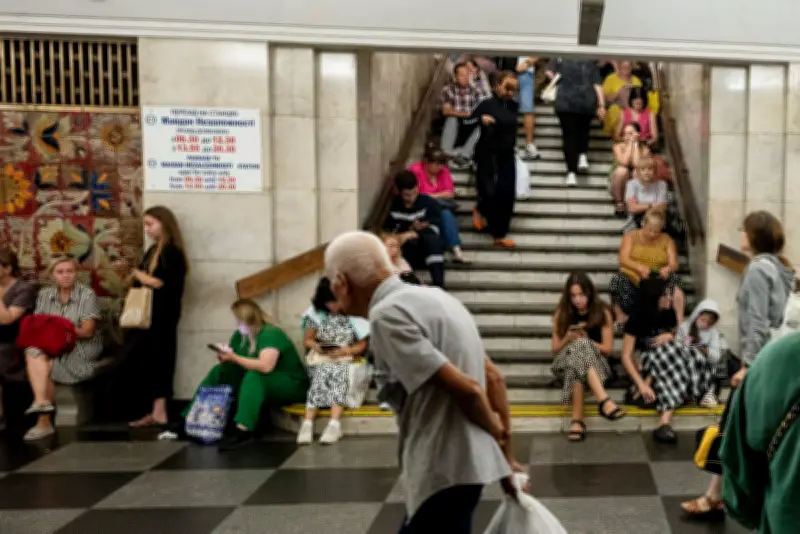
Ukrainian writer and artist Diana Berg reflects on a quiet but devastating rupture caused by Russia's full-scale invasion: the widening divide between Ukrainians who fled abroad and those who remained in the country. In a personal essay, she describes how even innocent questions, such as a colleague asking to reschedule a meeting, can feel like accusations when posed by someone who left.
From shared reality to parallel worlds
Berg notes that before the war, Ukrainians lived in different cities but within the same world. Now, she says, those who left and those who stayed no longer inhabit the same version of the war. She recounts a summer meeting with friends in a safe European city, where an air raid alert on their phones for drones over Kyiv and cruise missile threats triggered mutual fear and helplessness. That moment revealed that both groups experience the war, but through different lenses: one through daily explosions and sirens, the other through screens and distance.
Hidden emotions: Guilt, anger, and shame
The essay delves into painful emotions that rarely surface publicly. Berg admits to feeling anger when seeing friends' social media posts about strikes on Kyiv, knowing her own experience began with sirens and explosions. She also confesses to shame for resenting friends who complain about depression or bureaucracy while living in safety. A colleague's remark—"How long can people keep using the war to make the rest of us feel guilty?"—frightened Berg, highlighting a competition for suffering that no one wants to acknowledge.

The cost of separation
Berg describes the logistical burden of travel from Ukraine: no flights, hours to the border, permits. She envies friends who can attend spontaneous weekends and concerts in Kraków, Berlin, or Vilnius. The map of closeness has shifted quietly: her mother is in Bulgaria, Dasha in Poland, Ira in Germany, Katya in Austria. She misses not pre-war life, but the feeling that loved ones share the same reality. The essay concludes with a hope for a future meeting on a terrace—not abroad, but in Ukraine.