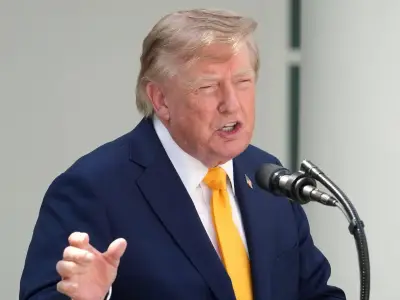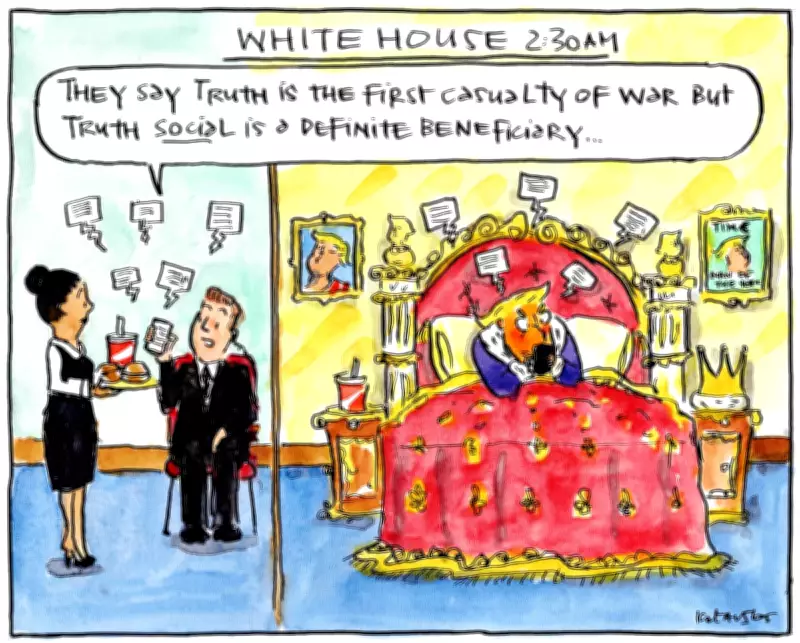
Donald Trump's relationship with the truth has long been a subject of scrutiny and debate. Throughout his political career, the former president has been known for making statements that are often contradicted by factual evidence. This pattern of behavior raises important questions about the state of political discourse and the erosion of public trust in institutions.
The Frequency of Falsehoods
According to fact-checking organizations, Trump has made thousands of false or misleading claims during his time in office. These range from exaggerations about crowd sizes to outright denials of scientific consensus on issues like climate change. The sheer volume of misinformation has made it challenging for the public to discern fact from fiction.
Impact on Media and Politics
Trump's approach to truth has also influenced the media landscape. News outlets have had to adapt by implementing rigorous fact-checking processes, while some have been accused of normalizing falsehoods by giving them airtime. In the political arena, his tactics have been emulated by other politicians, leading to a broader environment where truth is often treated as subjective.

Public Trust at Stake
The long-term consequences of this trend are significant. Surveys indicate a decline in public trust in government, media, and other institutions. When leaders consistently disregard the truth, it undermines the foundations of democracy, which relies on an informed electorate.
Conclusion
Understanding Trump's relationship with the truth is not just about cataloging his false statements; it is about recognizing the broader implications for society. As citizens, it is crucial to demand honesty from public figures and to support institutions that uphold factual accuracy.