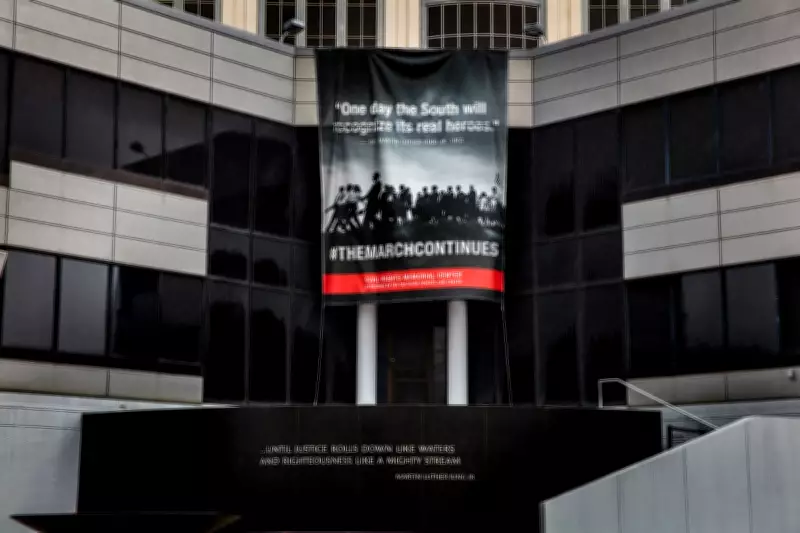
The Southern Poverty Law Center (SPLC) entered a not guilty plea on Thursday in response to federal charges alleging fraud and conspiracy to commit money laundering. The case stems from a now-defunct program in which the civil rights organization paid informants to monitor rightwing extremist groups.
Indictment and Allegations
The 11-count indictment, filed last month, accuses the SPLC of committing fraud in connection with the informant program. The investigation is being led by the US attorney for the middle district of Alabama, which encompasses Montgomery, the state capital. Prosecutors allege that the SPLC covertly funneled more than $3 million to confidential sources within extremist groups between 2014 and 2023. They claim that SPLC officials misled donors by stating that contributions would be used to dismantle violent extremist groups, when in reality the funds were allegedly used to pay leaders within those groups. Additionally, the organization is accused of deceiving banks about the ownership of certain entities involved in the program.
SPLC's Response
Bryan Fair, the SPLC's interim president and CEO, issued a statement following the charges, asserting that the allegations are unfounded. "The charges against the SPLC are provably wrong; they are based on inaccurate facts and a misapplication of law," Fair said. He emphasized that the informant program successfully prevented threats and attacks, stopped criminal activity, and gathered intelligence to dismantle hate and extremist groups. "There is no question that the information the SPLC shared with law enforcement saved lives," he added.

Legal Experts Weigh In
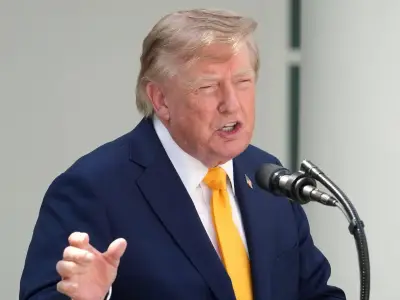
Legal experts have expressed skepticism about the strength of the case against the SPLC. Andrew Tessman, a former federal prosecutor specializing in financial fraud cases, described the decision to charge a corporate entity with these crimes as "very odd." He predicted that the government would struggle to prove its case at trial. The charges have been seized upon by former President Donald Trump and his allies, who have used the case to attack the SPLC and cast doubt on the threat of rightwing extremism.
Broader Context
The investigation unfolds as the Trump administration has pledged to intensify scrutiny of non-profit organizations that oppose its priorities. Conservative groups have long criticized the SPLC for labeling certain right-leaning organizations as "hate groups." The case has drawn significant attention, with many observers viewing it as part of a broader political battle over the characterization of extremism and the role of civil rights organizations.