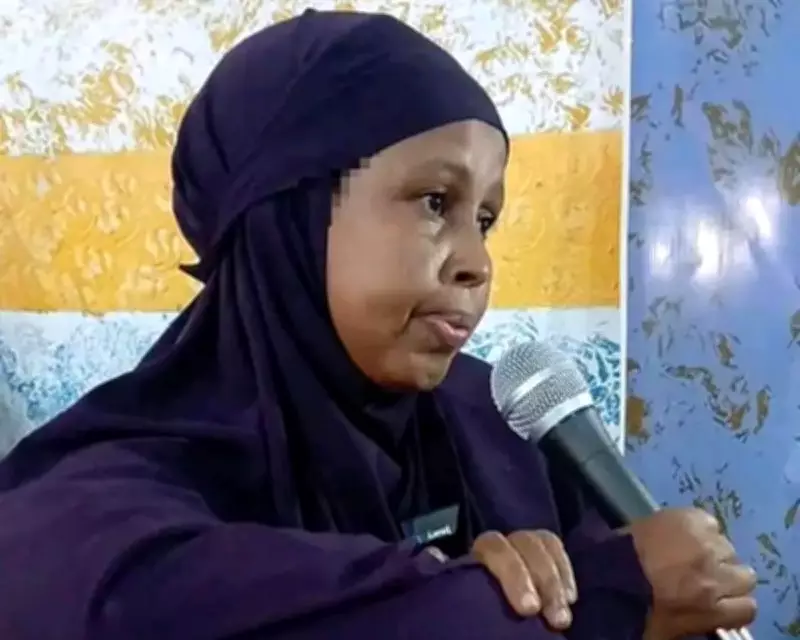
Somalia's Rushed Execution: A Case That Shocked the Nation
The execution of Hodan Mohamud Diiriye, convicted of torturing and causing the death of 14-year-old Saabirin Saylaan, has ignited a fierce debate about justice and fairness in Somalia. Diiriye, a 34-year-old mother of more than 10 children, was executed by firing squad on February 3, less than three months after Saabirin's death in November last year. This case stands out in a country where child abuse often goes unreported and where the death penalty for women is exceedingly rare.
A Tragic Discovery and Swift Justice
On November 12, Diiriye called her husband, Abdiaziz Nur Hashi, to report that Saabirin, their 14-year-old great niece who had been living with them for two months, was unconscious. They rushed her to a hospital in Galkayo, central Somalia, where she was pronounced dead. Police were immediately notified, leading to Diiriye's arrest. The investigation uncovered dozens of videos on her phone allegedly showing signs of Saabirin being tortured, which were leaked and spread across social media, fueling public outrage. A postmortem revealed Saabirin died by strangulation, with her body bearing multiple marks and bruises.
Public Outcry and Legal Proceedings
Saabirin's death provoked unprecedented protests, with family members and other women blocking access to the hospital mortuary to prevent burial, fearing the case might be diverted to a traditional dispute-resolution system perceived as inadequate. Due to immense public pressure, the court proceedings were broadcast live. Diiriye pleaded not guilty, claiming mental instability and lack of memory, but on December 15, she was found guilty of murder and sentenced to death. Hashi received a one-year prison sentence and a $500 fine for negligence, which he has since paid, leading to his release.

Questions Over Trial Fairness
Diiriye's lawyer, Abdiaziz Mohamed Farah, argues the trial was unlawful, citing lack of legal representation during arrest and questioning, insufficient preparation time, and the court's refusal to allow a mental health assessment. He also notes that a key witness, another domestic worker, went missing. Farah attempted to appeal but was ignored, as Diiriye had signed a statement under family pressure not to appeal, based on false promises of blood money. Activists and human rights defenders, such as Guleid Ahmed Jama of the Human Rights Centre, highlight Somalia's poor justice system, decentralized courts, and patriarchal clan structures that disadvantage women.
Broader Implications and Contrasts
This case has sparked calls for better child protection measures and exposed gender biases in Somalia's legal system. In contrast, Sayid Ali Moalim Daud, sentenced to death for murdering his pregnant wife in January 2024, has not been executed, with his case reaching the supreme court. Experts suggest clan influence may delay his execution, raising questions about equality under the law. The furore around Diiriye's execution underscores deep-seated issues in Somalia's judiciary, where rushed processes and societal norms can compromise justice.