Former US Labour Secretary Robert Reich has issued a stark warning about Donald Trump's efforts to immortalise himself through various memorial projects, arguing that such self-glorification mirrors tactics used by fascist dictators and poses a threat to American democracy.
The Push for Permanent Recognition
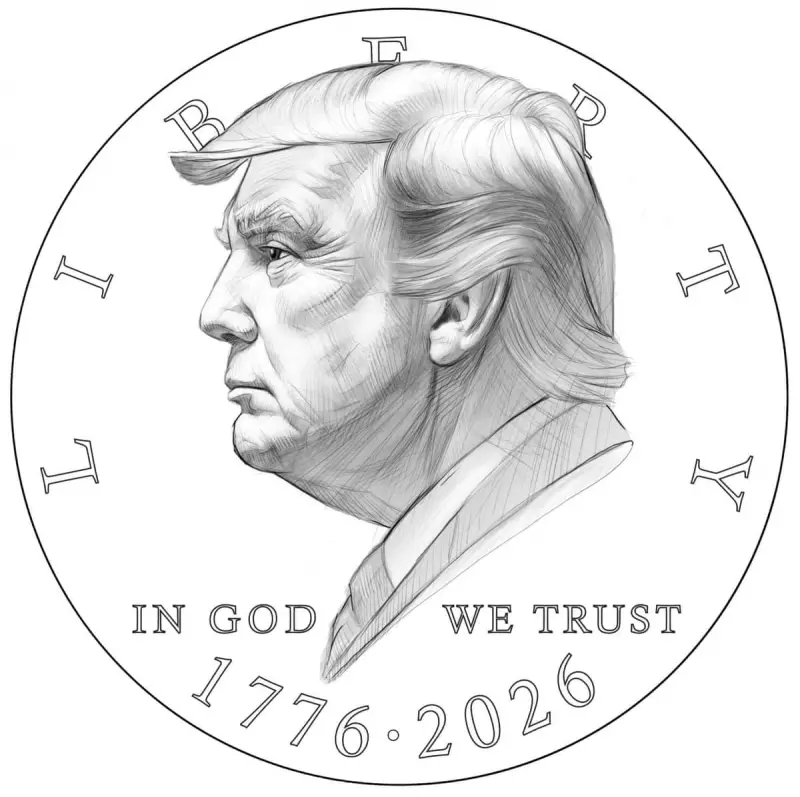
According to Reich's analysis, multiple initiatives are underway to cement Trump's legacy through physical monuments. The US Treasury has drafted designs for a $1 coin featuring Trump on both sides, purportedly to honour America's 250th birthday and the presidency.
Simultaneously, reports indicate that Trump wants the Washington Commanders to name their planned $3.7 billion stadium after him. A senior White House source told ESPN that "it's what the president wants, and it will probably happen."

Further adding to these memorialisation efforts, the $300 million ballroom being added to the White House has been referred to as "the President Donald J Trump Ballroom" in donor documents, though Trump has since denied plans to name it after himself.
Historical Parallels with Dictatorships
Reich draws disturbing parallels between Trump's actions and those of historical authoritarian leaders. He notes that fascist dictators like Stalin, Hitler and Mussolini frequently built monuments to glorify themselves while in power, ensuring they would be exalted in historical memory.
"Democracies prefer to memorialise their heroes after they've died, and only if the public wants them commemorated," Reich emphasises, highlighting the fundamental difference in how democratic societies versus authoritarian regimes approach historical recognition.
The Case Against Heroic Remembrance
Rather than celebrating Trump's presidency, Reich argues it is "our solemn duty" to ensure he is remembered for what he describes as attacks on American democracy. He outlines several key areas where he believes Trump's actions warrant critical historical assessment.
Trump should be remembered as the president who claimed without evidence that an election was stolen from him, then instigated a coup attempt involving false electors, Reich contends. This was followed by the assault on the US Capitol that resulted in five deaths and injuries to 174 police officers.
After being re-elected, Reich argues Trump tried to erase national memory of these events by pardoning 1,600 people connected with the Capitol attack and 77 individuals accused of trying to overturn the 2020 election. The former president notably referred to these rioters as "patriots."
Reich also cites Trump's alleged usurpation of congressional powers, denial of due process, prosecution of political opponents, violations of international law through killings of "enemy combatants," and deployment of military forces into American cities against the wishes of local officials.
An Alternative Memorial Proposal
Instead of allowing Trump to create "false tributes to himself etched into silver, marble or granite," Reich proposes a different kind of monument for future generations.
He envisions a simple building constructed of iron and cement containing records of Trump's attacks on democracy and the names of everyone who aided him. The structure would feature the words "Trump's Treason" over its doorway.
This alternative memorial would be situated on the White House lawn where the Trump ballroom once stood, facing Pennsylvania Avenue to ensure easy access for visiting families, including those commemorating America's 500th anniversary.
Robert Reich, who served as US Secretary of Labour under President Bill Clinton, is currently a professor of public policy emeritus at the University of California, Berkeley. His new book, "Coming Up Short: A Memoir of My America," is now available.