In a startling revelation from a newly published biography, US Health and Human Services Secretary Robert F Kennedy Jr's disturbing fascination with dead animals has been exposed through detailed diary entries and eyewitness accounts. The book, titled "RFK Jr: The Fall and Rise," provides unprecedented insight into the controversial figure's unusual behavior involving deceased wildlife.
Highway Incident with Roadkill Raccoon
One particularly graphic diary entry from November 11, 2001, describes Kennedy stopping his car on Interstate 684 in New York to perform a macabre procedure on roadkill. According to the journal, Kennedy wrote: "I was standing in front of my parked car on I-684 cutting the penis out of a road killed raccoon, thinking about how weird some of my family members have turned out to be."
He added the chilling detail that his children waited patiently in the vehicle during this disturbing roadside activity. Author Isabel Vincent confirmed to People magazine that Kennedy took the raccoon's genitals with the intention to "study them later," revealing a pattern of scientific curiosity mixed with questionable judgment.

Longstanding Fascination with Animal Remains
The biography documents Kennedy's longstanding interest in collecting and examining dead animals, which extends beyond the raccoon incident. During a 2001 trip to Long Island, a journalist traveling with Kennedy reported his fascination with dead seagull corpses along the shoreline.
The book quotes Kennedy expressing his desire to "pick up some of these dead seagulls for my skull collection," though time constraints prevented him from harvesting the bones on that occasion. This revelation adds to a growing pattern of behavior that has raised eyebrows among observers and critics alike.
Previous Controversial Animal Encounters
Kennedy's history with dead animals includes several other documented incidents that have drawn criticism from environmental groups and the public. One particularly notorious episode involved the former presidential candidate using a chainsaw to sever the head of a washed-up deceased whale, which he then strapped to his car's roof for transportation.
In another disturbing incident, Kennedy confessed to dumping a dead bear cub in New York's Central Park while attempting to stage the scene to make it appear as though the creature had been killed by a bicyclist. These revelations come at a sensitive time for the health secretary, who leads the "Make America Healthy Again" movement while simultaneously facing scrutiny for his unconventional personal practices.
Political Context and Implications
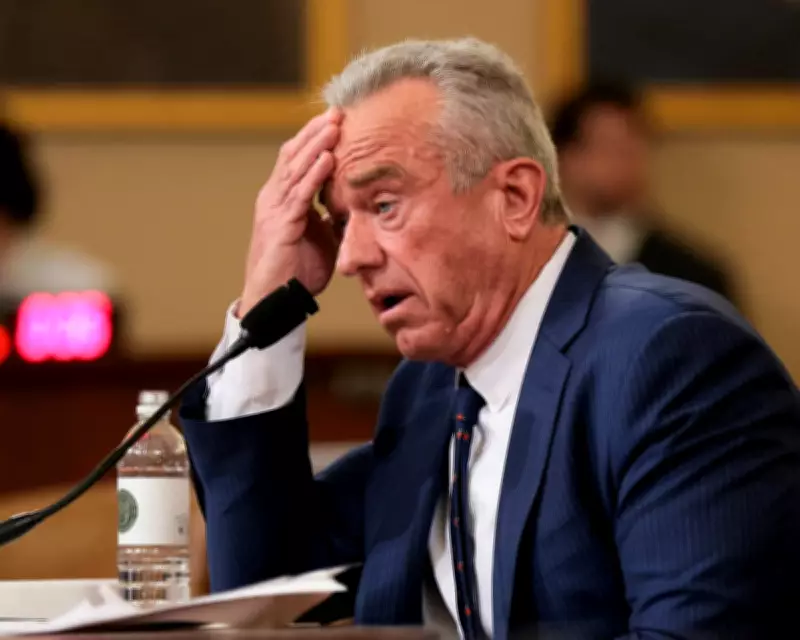
The biography's publication coincides with Kennedy's recent testimony before a House committee hearing on Capitol Hill regarding Donald Trump's budget request. As health secretary, Kennedy plays a crucial role in shaping national health policy, making these personal revelations potentially damaging to his professional credibility.
The book raises questions about judgment and appropriateness for someone in such a high-profile government position. Kennedy, already a controversial figure due to his vaccine skepticism and political activism, now faces additional scrutiny regarding his personal conduct and its potential impact on his public service role.
These revelations about Kennedy's animal encounters add another layer to the complex public perception of a political figure who has consistently defied conventional expectations throughout his career in public health and environmental advocacy.