Peter Mandelson's Swift Descent from Diplomatic Heights to Epstein Scandal Arrest
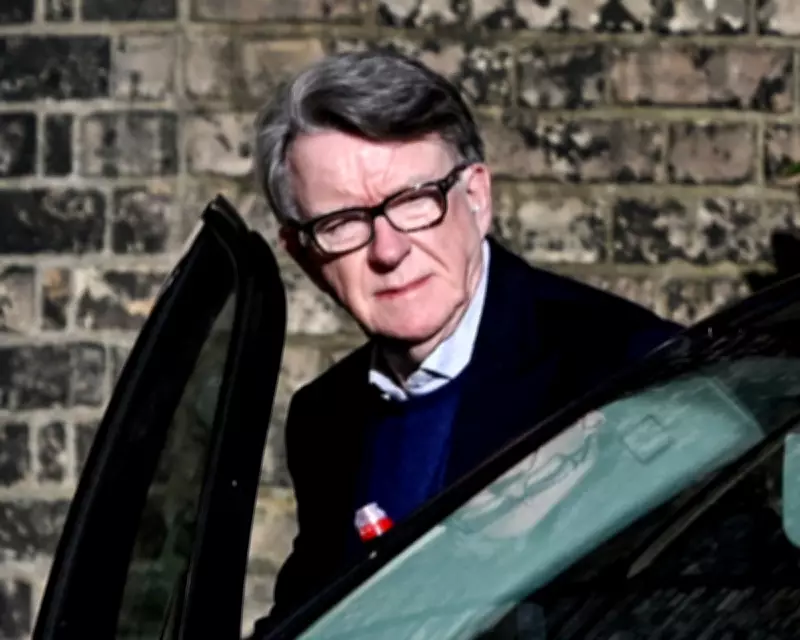
Just six months ago, Peter Mandelson occupied one of the most prestigious positions in British diplomacy as the UK's ambassador to the United States. His appointment was seen as a strategic move, leveraging his extensive experience as a former cabinet minister and European commissioner to navigate the complexities of the Trump administration. Mandelson was widely credited with playing a crucial role in securing a relatively favorable US trade deal for the United Kingdom, cementing his reputation as a skilled political operator with significant influence.
The Epstein Connection Unravels
Mandelson's seemingly unassailable position began to crumble in September 2025 when US lawmakers released a series of emails revealing his close relationship with convicted financier Jeffrey Epstein. In one particularly damning message from 2003, Mandelson referred to Epstein as "my best pal" and described him as an "intelligent sharp-witted man." The correspondence detailed what appeared to be a remarkably close friendship, with Mandelson mentioning Epstein's "'interesting' friends" and expressing enthusiasm about visiting Epstein's luxurious properties.
Even more troubling was an email from 2008 in which Mandelson promised to "fight for early release" for Epstein when the financier was facing charges of soliciting sex. While Mandelson later defended himself by stating he had relied on assurances of Epstein's innocence that "turned out later to be horrendously false," the damage to his credibility was already substantial.

Political Fallout and Resignations
Prime Minister Keir Starmer initially stood by his ambassador, expressing full confidence in Mandelson during Prime Minister's Questions on September 10. However, just one day later, Starmer reversed his position and dismissed Mandelson from his diplomatic post. The Foreign Office explained that the released messages revealed "the depth and extent of Peter Mandelson's relationship with Jeffrey Epstein is materially different from that known at the time of his appointment."
The scandal continued to escalate through the autumn and winter of 2025-2026. Newly released emails showed that Mandelson maintained contact with Epstein until at least 2016, contradicting earlier claims about when their relationship ended. In January 2026, the US Department of Justice released three million Epstein files that revealed Epstein had sent thousands of pounds in bank transfers to Mandelson and his partner Reinaldo Avila da Silva in September 2009, approximately two months after Epstein's release from prison.
Government Information Sharing Allegations
The most serious allegations emerged from emails suggesting Mandelson had shared market-sensitive government information with Epstein while serving as trade secretary in Gordon Brown's administration. In one 2009 email, Mandelson informed Epstein that the Treasury was "digging in" on potential new taxes targeting bankers' bonuses. Two days later, Epstein inquired whether Jamie Dimon of JP Morgan should contact Chancellor Alistair Darling, to which Mandelson responded that Dimon should "mildly threaten" the chancellor.
Additional emails revealed Mandelson had tipped off Epstein about £20 billion in saleable assets by the UK government and provided advance notice of Gordon Brown's resignation as prime minister in 2010. These revelations prompted Brown to publicly condemn Mandelson's actions as "a betrayal of everything we stand for as a country."
Cascading Consequences
The scandal triggered a series of political consequences throughout early 2026. Mandelson resigned his membership of the Labour party on February 1 amid mounting pressure. On February 8, Morgan McSweeney, Starmer's chief of staff and a longtime friend and protege of Mandelson, resigned from his position, taking responsibility for Mandelson's appointment as ambassador in what was widely seen as an attempt to shield the prime minister from further criticism.
The situation reached its climax when Mandelson was arrested on Monday on suspicion of misconduct in public office, the same charge that had recently been brought against Andrew Mountbatten-Windsor (formerly Prince Andrew), whose appointment as trade envoy in 2001 had reportedly been secured by Mandelson according to biographer Andrew Lownie.

Mandelson has denied any wrongdoing, but his dramatic fall from diplomatic prominence to criminal investigation represents one of the fastest and steepest descents ever witnessed in British public life. What began with the release of Epstein emails costing Mandelson his job may ultimately cost him his liberty, marking a stunning reversal for a political figure who once stood at the pinnacle of UK-US relations.