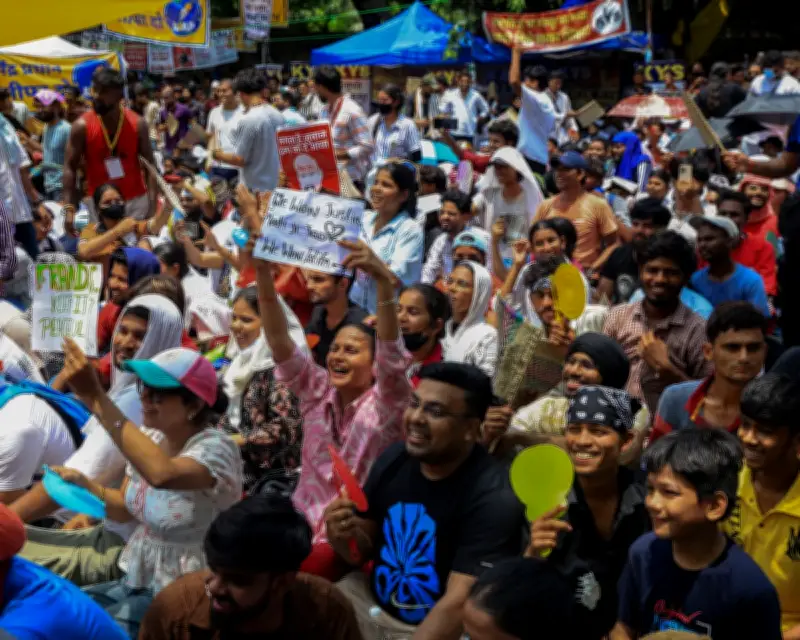
India's gen Z-led Cockroach Janta party (CJP), a parody of the ruling Bharatiya Janata party (BJP), has achieved a significant victory by forcing the resignation of Education Minister Dharmendra Pradhan. This marks the first time in Prime Minister Narendra Modi's 12-year tenure that a senior minister has been ousted by a mass-protest movement. The movement originated from a viral post on X by Abhijeet Dipke, an Indian student in the US, who asked, 'What if all cockroaches come together?' after India's top judge likened unemployed youths to insects and parasites.
Background of the Protests
For India's nearly 400 million gen Z, public exams are often the only pathway to a secure future. When exam papers leak or tests are cancelled, that opportunity is destroyed. By June, young people were protesting peacefully in Delhi under the banner of the Cockroach Janta party, demanding Pradhan's resignation. The movement gained momentum after credible reports suggested police officers attacked protesters marching to parliament, though security sources claim they were attacked first.
Impact and Government Response
Pradhan's resignation came after weeks of sustained protests. The CJP leadership has accused the government of breaching the terms of the settlement offered by Modi's government, claiming at least 100 people have been arrested, many on non-bailable charges. The movement is now demanding the release of detainees and threatening to remobilize nationally. According to historian Mukul Kesavan, writing in the Guardian, the CJP's social-media dexterity is crucial, combining eloquence, message discipline, and composure, making Modi appear leaden.

Broader Political Implications
Political scientist Christophe Jaffrelot argues that the CJP represents a deeper revolt beyond exam leaks, becoming the voice of educated young Indians trapped by jobless growth, poor education, and insecure work. The movement has broken the spell of fear that dominated the public square and may produce a new generation of political leaders. A similar anti-corruption movement in 2011 paved the way for Modi to come to power 12 years ago. With the next general election in 2029, the CJP's success could reshape Indian politics if young Indians continue to come together meaningfully.