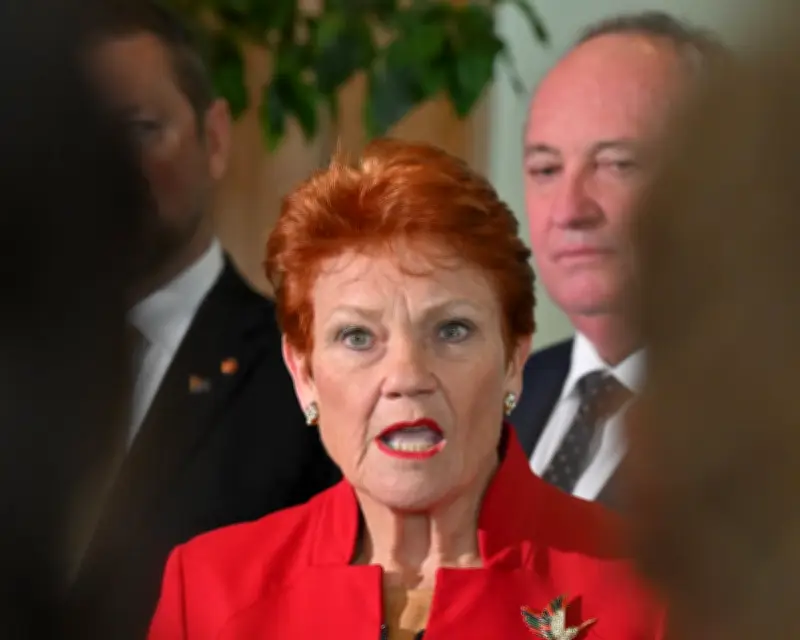
One Nation leader Pauline Hanson has blamed the media for a string of bad headlines, claiming a concerted effort to take her comments out of context. The remarks come after controversies including her association with far-right convicted criminal Tommy Robinson and her description of domestic violence as a "two-way street".
Hanson's media blame game
On Thursday, Hanson posted audio of her domestic violence exchange and stated: "There is a concerted effort by some in the media to constantly take my comments out of context." She criticised "journalistic integrity" and linked her complaints to job cuts at Nine newspapers, adding: "I'm growing less tolerant of many journalists within the MSM and so too are the public."
Echoing Trump's tactics
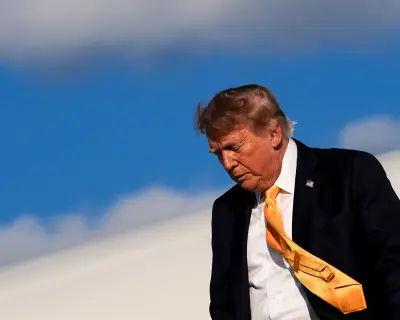
This week shows Hanson leaning into Donald Trump's fallback method of blaming journalists when controversies arise. Hanson has "banned" Guardian Australia and the ABC from her public appearances, and One Nation has historically blamed media for reporting its slip-ups rather than turning the gaze inward. This strategy works politically, positioning her as an anti-establishment outsider, but as potential opposition leader after the next election, she faces the same scrutiny as major party leaders.

European holiday blunders
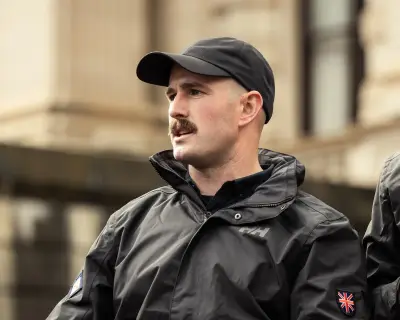
In the last fortnight, Hanson's European holiday sparked rolling blunders. She raised the end of the White Australia policy in an interview with Robinson, calling subsequent criticism "fake news" from "leftwing media and their false, clickbait stories". When questioned about her decision to give Robinson a cosy interview and accompany him on a UK road trip, Hanson said Seven's Spotlight pushed for it. Seven sources said the podcast was instigated by One Nation and Hanson wasn't forced to do anything.
Spotlight special scrutiny
As scrutiny grew over the Spotlight special—including Hanson's gushing "I love it" when asked about mass deportation—she published what she said was the pitch document from Seven, insinuating she was a victim of a media stitch-up. Hanson's deputy Malcolm Roberts accused media of "selective cherry picking and dishonest distortions" when his past comments on conspiracy theories resurfaced.
Lack of specific rebuttals
At each point, it is unclear what One Nation's complaints were, other than disliking the headlines. Few specific rebuttals were given. The controversies are based on obvious questions about things Hanson or her colleagues have said and done in public. Hanson has accused journalists of taking her out of context, reposting her own comments to avoid distortion, but media articles had already reproduced those comments at length and in context.
Domestic violence comments
On Wednesday and Thursday, as criticism grew over her domestic violence comments, Hanson posted a written excerpt and full audio clip, claiming media used "only a few quotes". However, those quotes had already been published at length by the Guardian, ABC, Nine newspapers, and News.com.au. Hanson claimed it was "untrue" that she downplayed domestic violence, and Ashby accused media of taking a "five second clip" rather than a "30 second clip". Experts including the Women's and Girls' Emergency Centre called her rhetoric "vile and shameful", with CEO Nicole Yade condemning the comments.
Responsibility of leadership
Hanson has spoken of becoming prime minister and dragging One Nation into the mainstream. But the perks of popularity come with responsibilities, including owning one's actions and words.