A former Metropolitan Police detective has opened up about the most harrowing murder investigations of his career, including the tragic case of EastEnders actress Sian Blake and her two young sons.
Former detective recalls disturbing case
Steve Keogh, a former New Scotland Yard murder detective, discussed some of London's most shocking crimes, describing the Blake case as one of the most devastating moments of his professional life.
The 43-year-old actress, who had motor neurone disease, was killed alongside her sons Zachary, eight, and Amon, four, by her partner Arthur Simpson-Kent in December 2015. Simpson-Kent stabbed the three victims and concealed their bodies in the garden of their family bungalow in southeast London. He then attempted to hide evidence by painting over bloodstains before fleeing to Ghana in January 2016. He was later extradited to the UK, convicted at the Old Bailey, and handed a whole life order.

Investigation details
Keogh was among the detectives who initially responded to reports of Blake's disappearance. He quickly realized the case was not a routine missing persons inquiry. Simpson-Kent claimed Blake had left with the children, but her medical condition made this implausible. Keogh stated: "It just didn't sit right, she couldn't look after herself, how could she look after herself and these two little boys? So, we decided that we would now going to treat it as a murder unless proven otherwise."
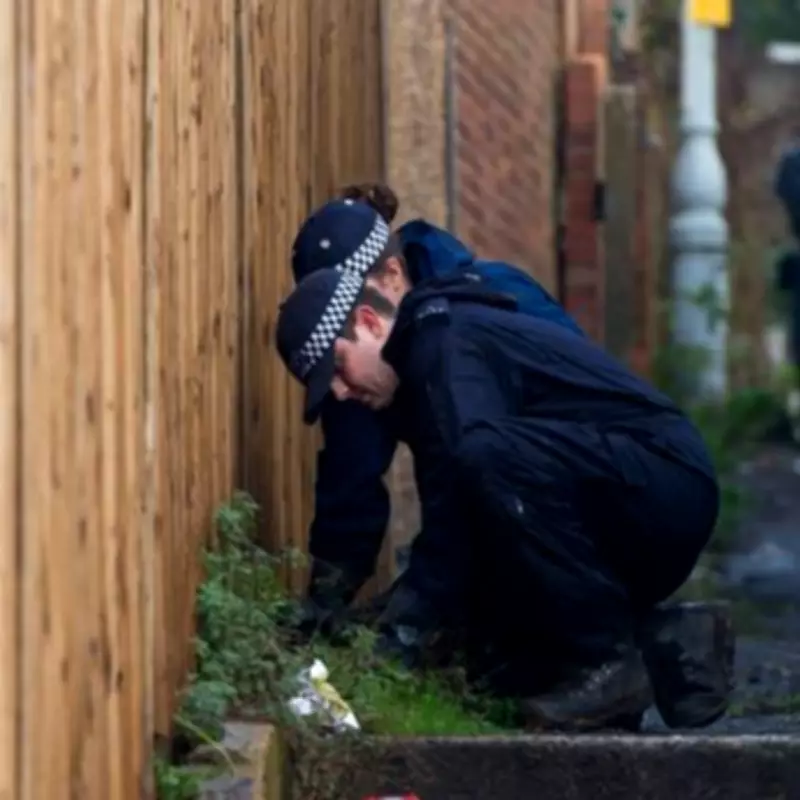
Upon returning to the house, officers noticed signs of trauma in the kitchen that had been painted over. Investigators later used UV light to uncover the concealed evidence. Keogh admitted he held out hope that the boys might still be alive, but attention shifted to the garden, where cadaver dogs were deployed.
Four days into the investigation, Keogh received a call confirming the harrowing discovery: Blake and her sons had been found buried together. He described it as one of the lowest points of his career, particularly once it became clear the children had also been killed.
"To have that hope that, not the boys, why would he hurt the boys? When we got that phone call it was horrible to know that he had done that to them. And then when the post-mortems happen, and you see the way in which they were killed, and that the last thing they would've seen is their dad brutally attacking them in the way he did was awful," Keogh said.