Five Individuals Arrested Following Shooting of Indiana Judge and His Wife
Five people have been taken into custody in relation to a recent shooting incident that targeted an Indiana state judge and his wife at their private residence in Lafayette. The arrests come after a coordinated investigation involving multiple law enforcement agencies across several states.
Charges and Suspects Identified in the Case
In an official statement released by authorities, three of the detained suspects are facing serious charges including attempted murder and conspiracy to commit murder. These charges stem from the 18 January attack on Judge Steven Meyer and his wife Kimberly Meyer at their Lafayette home.
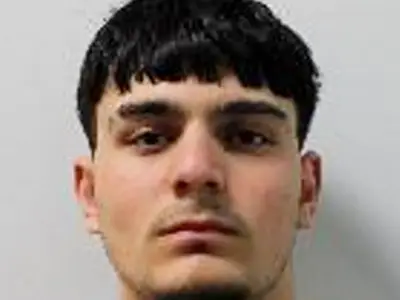
The police have identified the three primary suspects as Raylen Ferguson, Thomas Moss, and Blake Smith. While investigators have not publicly disclosed a specific motive for the violent assault, court records reveal that Moss had pending criminal charges in Judge Meyer's courtroom, including domestic violence and illegal weapon possession by a felon.

Geographical Connections and Additional Arrests
According to police documentation, both Moss and Smith are residents of Lafayette, Indiana, while Ferguson reportedly hails from Lexington, Kentucky, approximately 250 miles from the crime scene. Law enforcement officials are pursuing gang and firearm enhancements against these three individuals, which could result in significantly harsher penalties if convictions are secured.
The police statement specifically described Moss and Smith as habitual offenders, though no further details were provided regarding their criminal histories. In addition to the three primary suspects, authorities have arrested Amanda Milsap of Lafayette on bribery and obstruction of justice charges, while Zenada Greer of Lexington faces accusations of assisting a criminal and obstruction of justice.
Victims' Condition and Judicial Response
Judge Steven Meyer released a public statement expressing gratitude for the overwhelming support received from the community, colleagues, and law enforcement agencies. The Tippecanoe County Superior Court judge emphasized his continued faith in the judicial system despite the traumatic experience.
"I want the community to know that I have strong faith in our judicial system," Meyer stated. "This horrific violence will not shake my belief in the importance of peacefully resolving disputes. I remain confident that we have the best judicial system in the world, and I am proud to be a part of it."
The judge extended heartfelt thanks to his medical team, noting that both he and his wife are showing signs of improvement and recovery from their injuries. Police reports indicate that Steven Meyer sustained an arm wound during the attack, while Kimberly Meyer suffered a hip injury. Investigators recovered shell casings from the crime scene as evidence.
Broader Context of Judicial Security Concerns
This incident has raised significant concerns about judicial security across Indiana and beyond. Chief Justice Loretta Rush of the Indiana Supreme Court issued a statement urging all judiciary members to maintain heightened security awareness.
"I worry about the safety of all our judges," Rush declared. "As you work to peacefully resolve more than 1 million cases a year, you must not only feel safe, you must also be safe. Any violence against a judge or a judge's family is completely unacceptable."
The shooting follows a troubling pattern of violence targeting judicial figures in the United States. Notably, in September 2024, Kentucky judge Kevin Mullins was fatally shot in his judicial chambers in Letcher County, approximately 150 miles from Lexington. The local sheriff was subsequently charged in connection with that killing.
Multi-Agency Investigation and Ongoing Developments
The investigation into the Meyer shooting involved collaboration between numerous law enforcement bodies, including police departments from Lexington and Allentown, Pennsylvania, alongside federal agencies such as the FBI and US Marshals Service. This coordinated effort facilitated the identification and apprehension of suspects across state lines.

As the legal proceedings move forward, authorities continue to examine potential motives and connections between the suspects and the victims. The case highlights ongoing challenges in protecting judicial officials and their families from targeted violence, particularly amid increasing concerns about politically motivated attacks on public servants.