Feminists Sounded the Alarm on Manosphere Decades Ago, But Were Dismissed
For many years, feminists have been raising urgent warnings about the growing threat of the manosphere, only to be met with indifference and disbelief. Laurie Penny, a prominent journalist and author, highlights how early concerns were brushed aside as trivial or exaggerated. The narrative that social media was not "real life" allowed dangerous misogynistic behaviors to flourish unchecked in online spaces.
The Early Days of Online Misogyny
In the early 2000s, a wave of angry and alienated men began engaging in recreational misogyny on the internet. They targeted women and girls in the public eye with relentless harassment, including death threats, hacking, and the distribution of revenge porn. Despite the severity of these actions, mainstream culture often responded with a shrug, dismissing the internet as a separate realm from reality.
Penny recalls personal experiences of reporting death threats to the police, only to be told that online abuse did not count. This attitude forced early targets to confront the issue head-on, recognizing that the tactics used against them could quickly escalate into broader societal problems.

Escalation and Mainstreaming of Hate
The situation intensified in 2014 with two pivotal events. First, the terrorist Elliot Rodger brought global attention to "incels"—young men radicalized by sexual resentment. Then, Gamergate erupted, unleashing a global campaign of harassment against women in the video game industry. This movement, sparked by a personal attack on game creator Zoe Quinn, mobilized thousands of men who framed their abuse as a defense of "journalistic ethics."
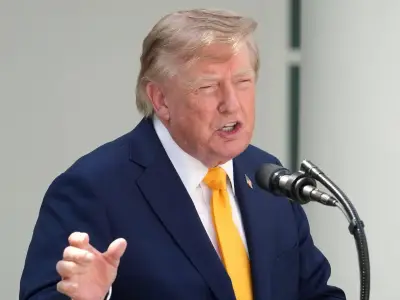
Gamergate served as a proving ground for what would become the manosphere, blending elements like pickup artists, Christian nationalists, and incels into a cohesive ideology of aggrieved entitlement. Figures like Steve Bannon recognized the potential of this demographic, leveraging it to support Donald Trump's presidential campaign. Trump's persona, marked by boasts of sexual violence, resonated deeply with the manosphere's values.
Normalization and Political Consequences
Throughout the 2010s, the manosphere continued to expand, with its rhetoric becoming increasingly extreme and racist. Mainstream media often underestimated its influence, while far-right movements eagerly co-opted its tactics. Politicians and public figures frequently dismissed concerns, framing feminists as "social justice warriors" who were overreacting or lacking humor.
This dismissal mirrored the response to the rise of Maga, with both-sidesism preventing meaningful action. As the manosphere grew, it funneled recruits toward more explicit racism and violence, with figures like Elon Musk and Stephen Miller openly endorsing its sentiments. Today, the ideology has permeated high levels of power, influencing political discourse and policy.
A Call to Action
Penny argues that the time for tolerance has passed. The manosphere's weaponized misogyny now threatens not only women but the very fabric of democratic societies. Young men and women have grown up in its shadow, facing its corrosive effects daily. To combat this, society must finally reject the nonsense and take a firm stand against the hatred and entitlement that fuel the manosphere.
Ignoring these warnings has allowed a dangerous ideology to fester and spread. It is imperative that we learn from the past and address misogyny as the serious political problem it truly is.