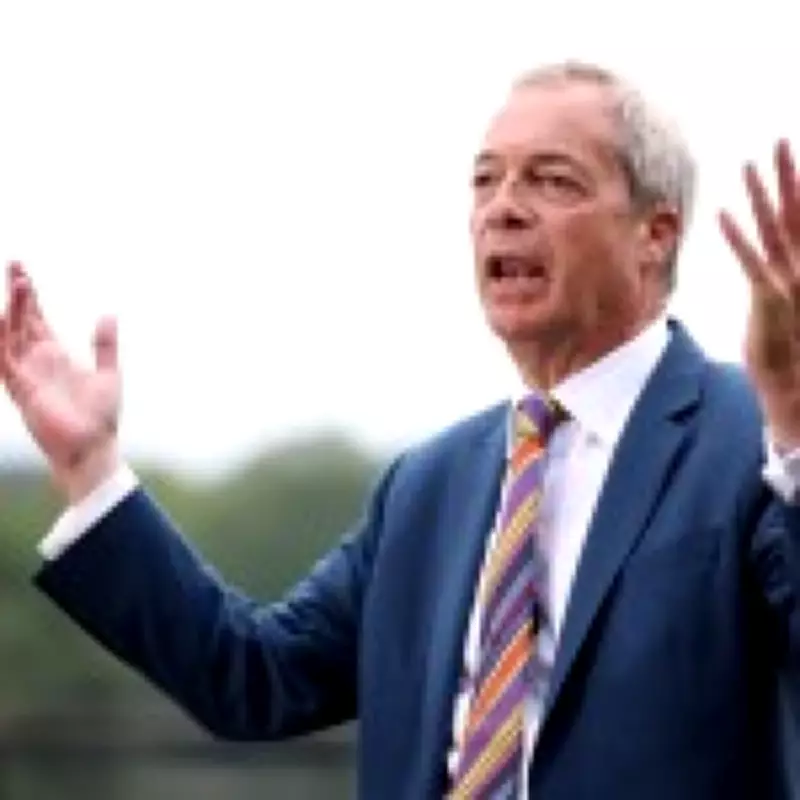
Nigel Farage has claimed that an undeclared gift of millions from a Reform billionaire was disclosed because of a ‘serious computer-hacking case’ against him. The Reform UK leader said it was part of an ‘operation’ against him, and has claimed it’s due to illegal activity. The party is reportedly exploring legal options.
When asked by reporters whether he supported greater transparency in his party’s finances, Farage was adamant. ‘No, no, no, no, no, what do you want? Do you want to put a camera in the bedroom? This is illegally obtained data. I’ve had my computer hacked during this campaign. The whole thing is an operation,’ he said.
Earlier this year, Farage was referred to the Parliamentary standards watchdog by the Tories, who said he had been required to report the gift to the Commons. Farage received the seven-figure sum from Thailand-based cryptocurrency investor Christopher Harborne in 2024. The British billionaire also bolstered Reform’s war chest with a £9 million donation last August – the biggest single donation in history to a political party from a living person – and he has given millions more since and previously.

Farage disclosed he had received a separate £5 million personal gift as he spoke of attacks on his home. An incendiary device was pushed through his letterbox in an ‘outright arson attempt’, the Reform UK leader told the Telegraph last month. Farage said the scale of threats against him had led to a seven-figure personal gift from Harborne to pay for his security.
Harborne has drawn attention recently for donating more than £12m to Reform – including £9m in one go last December, the largest single donation by a living person to a UK political party in history. Farage told the newspaper: ‘I have tried and failed in the past to get security funded by the Home Office and I don’t think the state will ever help me. I’m very much on my own and will be for the rest of my life, and I have to face up to that grim reality. Christopher is an ardent supporter who is deeply concerned for my safety.’
As the money for security was a personal gift and does not count as a political donation, it was not taxed or declared. The controversy has sparked debate over transparency in political financing.