Epstein Document Release Sparks Revival of Debunked Pizzagate Conspiracy
The recent publication of millions of documents, photographs, and notes from the Jeffrey Epstein case has unexpectedly reignited a long-discredited internet conspiracy theory known as Pizzagate. This bizarre narrative, which first emerged nearly a decade ago, falsely alleged that a paedophilia ring was operating from a pizza restaurant in the United States. The theory has resurfaced due to the frequent mention of the term 'pizza' in Epstein's correspondence, appearing more than 600 times across the released files.
Food-Related Terms in Emails Fuel Speculation
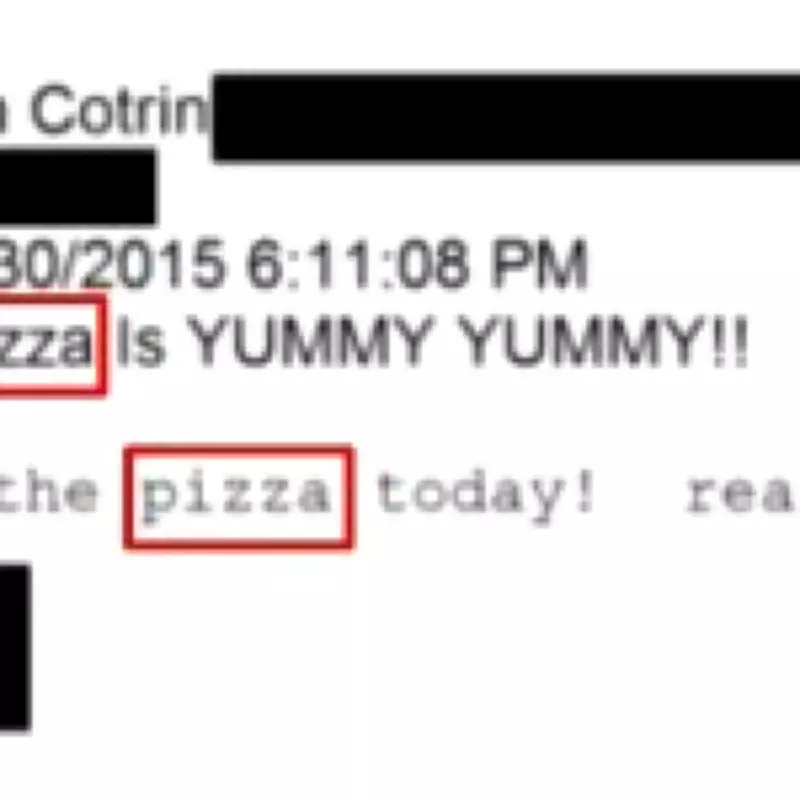
Within the trove of Epstein documents, several emails contain references to pizza and other food items that have been interpreted by conspiracy theorists as potential coded language. One email features the subject line: 'Your Pizza is YUMMY YUMMY!' with the message reading: 'Thank you for the pizza today! really good!! xo!' Another states: 'Let's go for a pizza and grape soda again. No one else can understand.'
While some analysts suggest these messages are merely innocuous discussions about dinner plans, others have speculated they may carry a more sinister meaning, referencing the debunked theory that terms like 'cheese pizza' were used as secret codes for child pornography among abusers.

Historical Context and Dangerous Consequences
The Pizzagate conspiracy theory originally gained traction before the 2016 US presidential election, with anonymous users on platforms like 4chan speculating that various food-related terms online referred to specific children or sexual activities. The theory falsely targeted Comet Ping Pong pizza restaurant in Washington, D.C., accusing it of housing a child sex ring.
This conspiracy turned dangerously real in 2016 when Edgar Welch entered the pizzeria armed with a firearm, believing he was confronting a paedophile operation. He was subsequently arrested and sentenced to five years in prison. Welch cited leaked emails involving Hillary Clinton's campaign chairman, John Podesta, which mentioned pizza and plans at Comet Ping Pong, as influencing his actions.
Psychological Drivers of Conspiracy Beliefs
Professor Karen Douglas, a Social Psychology expert at the University of Kent who studies conspiracy theories, explains the psychological underpinnings of such beliefs. 'People are attracted to conspiracy theories when one or more fundamental psychological needs are frustrated,' she told Metro. 'The need for truth, clarity, safety, and positive group identity can lead individuals to embrace conspiracy narratives as a coping mechanism in uncertain situations.'
Professor Douglas further elaborated: 'A simple explanation is often not very appealing. People assume there must be a bigger explanation or more going on than is publicly known. Conspiracy theories can have serious consequences, potentially diverting people from mainstream politics and science toward more extreme views and anti-science attitudes.'
Beyond Pizza: Other Food References in Correspondence
The Epstein files reveal that pizza wasn't the only food term appearing in unusual contexts within the correspondence. References to 'muffins' and 'steak' also feature prominently. In one email, a woman writes to Ghislaine Maxwell: 'Which muffin?? HAHA. (Hope you like white bread.)' Another message states: 'Jeff wants to take a muffin on the plane with him today. Can u pls make sure we have one to take?'
The Challenge of Containing Conspiracy Theories
Professor Douglas highlighted the difficulty in quelling conspiracy theories once they gain traction, particularly on social media platforms. 'It is easy to find and share conspiracy theories online. They can spread rapidly, and when facts remain unknown or ambiguous, they become particularly resilient to correction,' she explained.
The ongoing mystery surrounding Epstein's activities, combined with the hundreds of pizza references in his emails, has created fertile ground for the resurgence of this fringe theory. 'Once people believe in a conspiracy theory, it is often difficult to convince them otherwise,' Douglas noted, underscoring the persistent nature of such narratives despite being thoroughly debunked.

The Pizzagate conspiracy represents a case study in how digital misinformation can evolve from online speculation to real-world violence. While the theory remains entirely unsubstantiated, its revival through the Epstein document release demonstrates how historical conspiracy narratives can resurface when new information emerges, particularly when that information contains ambiguous or coincidental references that align with pre-existing beliefs.