In the 1980s and 1990s, the Bangladeshi community in Camden faced rising racist violence from the National Front and skinhead gangs. In response, volunteers set up the Camden Monitoring Project, a helpline to protect South Asian restaurant workers and help them get home safely. This story is now being told in a new play, Camdenwalla, at the Camden People's Theatre until Saturday, July 4.
The Camden Monitoring Project
The project was spearheaded by Nasim 'Nash' Ali, who later became Camden's first Muslim civic mayor and first Muslim leader of the council. Ali and others operated out of the Camden Community Relations Office, using a donated minibus to pick up people facing harassment or attacks. They also monitored police activity and kept records of incidents to pass to authorities.
Reflecting on the era, Ali said: 'We were the generation that was standing up for ourselves, defending ourselves. If anyone needed us, we could go out and help them get home safely.' The project was inspired by the Black Sisters Group and Southall Monitoring Project, and was part of a broader movement of community self-defence.

The Play: Camdenwalla
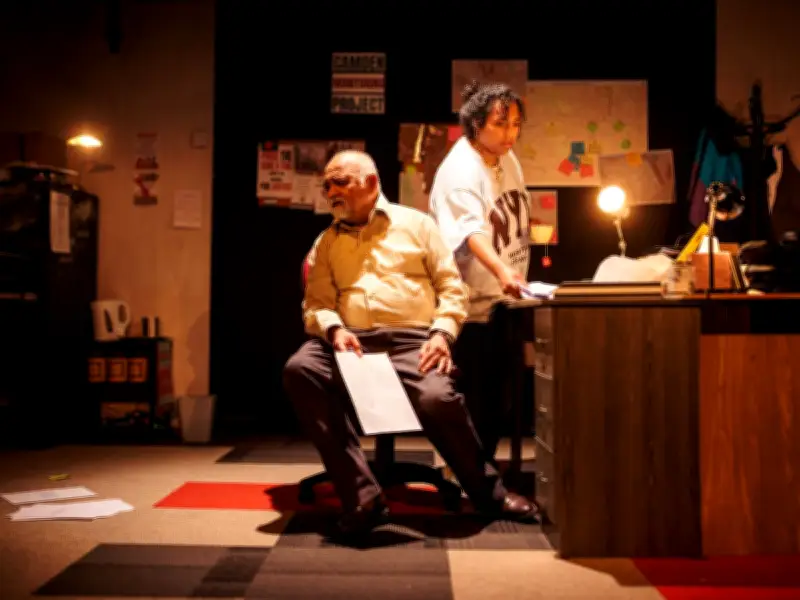
Written and directed by Jonny Khan, Camdenwalla is set over one night in 1994, the same year 15-year-old Richard Everitt was murdered in Camden by a gang of British Bangladeshis seeking revenge. The play follows protagonist Muhammad (played by Bhasker Patel) as he fields calls from individuals being harassed, books transport, and records incidents.
The play explores generational differences in attitudes towards assimilation and resistance. Muhammad's stoical, bureaucratic approach contrasts with his teenage niece Alima's (Nusrath Tapadar) distrust of the police and preference for protest. Khan said: 'My generation, we have the privilege that our older generation has given us to be a bit louder, and stand our ground. I was really interested in this idea that our parents haven't rested so we can rest.'
Legacy and Modern Parallels
As far-right violence declined, Ali and colleagues founded Camden United, a football team comprising Bangladeshi, Black African Caribbean, and White players, to build positive relationships. However, Ali warns that progress is in danger of being reversed. 'We grew up in the days of two-tier policing when it was targeted at Black and Asian people,' he said. 'The fear is really growing among the Muslim community. But we made Camden what it is. I gave blood, sweat and tears for this country.'
Khan notes that contemporary racist language is more passive but prejudice remains. 'You feel it rather than see it, [and] it's getting worse with politics as people are starting to be more open with racist language. I can never say it's as bad as it was then, but the need for community care, to be there for one another, was prevalent then and it's still prevalent now.'
Camdenwalla plays at the Camden People's Theatre until July 4.