Africa's Anti-LGBTQ+ Legal Surge: Colonial Roots and Political Calculations
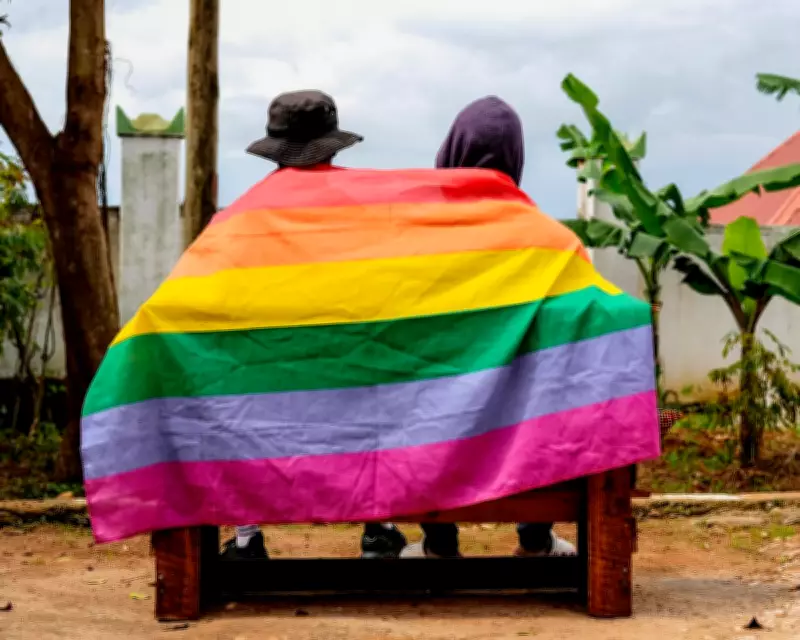
A concerning wave of anti-LGBTQ+ legislation is intensifying across the African continent, with new laws in Senegal, Burkina Faso, Uganda, and pending legislation in Ghana creating a hostile environment for queer minorities. These measures, often rooted in colonial-era penal codes, are being leveraged by governments seeking political popularity, obstructing genuine progress for LGBTQ+ individuals and their allies.
The Escalating Legal Onslaught
Recent months have witnessed a significant hardening of anti-LGBTQ+ laws across multiple African nations. In Senegal, President Bassirou Diomaye Faye signed legislation last month that doubled the maximum prison sentence for same-sex acts to ten years while banning any financial support or promotion of homosexuality. This followed the arrest of over a dozen men, including a prominent musician and journalist, on charges of "acts against nature" in February.
Burkina Faso's interim president, Ibrahim Traoré, enacted provisions last September criminalizing "homosexual acts" with prison terms of two to five years and substantial fines. Human rights organizations have condemned this development as deplorable. Meanwhile, Uganda's globally notorious anti-homosexuality law, ratified by President Yoweri Museveni in 2023, includes provisions for the death penalty in cases of "aggravated homosexuality," building upon earlier legislation.

Ghana's Controversial Legislation
Perhaps most troubling is the renewed legislative push in Ghana for the Human Sexual Rights and Family Values Bill. First introduced in 2021 and rooted in colonial-era criminalization of sexuality, the bill creates legal obligations for professionals including teachers, journalists, parents, and religious leaders to "protect family values." This establishes a mandatory duty for citizens to enforce these provisions, significantly expanding the law's reach.
Ghana's current president, John Mahama, has acknowledged the "complex and sensitive" national conversation sparked by the bill's reintroduction. He emphasized that his government would be guided by the country's constitution, human rights principles, and social cohesion, while noting that basic needs like education, healthcare, and employment remain more pressing national priorities.
The Human Cost of Repression
For queer Ghanaians like awo dufie fofie, an intersex trans woman and archivist, these legal developments compound existing insecurities. After being doxed in 2023, awo faced serial evictions from multiple apartments as landlords learned of her identity. She recounts being attacked by a mob outside her Accra accommodation, an incident that caused psychological trauma, financial hardship, and derailed her academic aspirations.
Through her work with civil organizations documenting abuses, awo has witnessed repression extending beyond Ghana's borders, including conversion therapy camps and brutal attacks on gay men lured through social media. Researcher and activist Amanda Odoi, who challenged the Ghanaian bill in court, criticizes its disproportionate impact on allies and networks, warning that political rhetoric threatens lives, careers, and security while potentially leading to attacks on broader reproductive rights.
Political Football and Foreign Influence
The issue has become a political tool for leaders seeking electoral favor. Senegal's recent legislation fulfilled a campaign promise by President Faye, while former Ghanaian president Nana Akufo-Addo frequently referenced the topic to maintain popularity during his tenure.
Evidence suggests significant foreign influence from right-wing groups outside Africa. The Institute for Journalism and Social Change found that seventeen US-based "Christian rights" organizations known for anti-gender campaigning spent $5.2 million in Africa during 2022, representing a 47% increase from 2019. This includes the Heritage Foundation, a prominent right-wing think tank, which reported $8,000 in continental spending over four years without detailing recipients.

The analysis also identified groups like the Fellowship Foundation, which has funded events attended by Uganda's Museveni, including a 2023 speech by US representative Tim Walberg urging Uganda to "stand firm" on anti-LGBTQ+ legislation. Next month, Ghana will host the fourth African inter-parliamentary conference on family and sovereignty, a platform with documented links to US-based far-right advocacy groups that has previously promoted Uganda's legislation as a model for other African nations.
Forging Alternative Futures
Despite the repression, activists like awo are working to document alternative histories and futures. She recently recorded the experiences of older queer individuals across West Africa and attended the wedding of her friend's gay children. Awo advocates for decolonial approaches that center indigenous labels like "Kojo Besia"—an Akan phrase describing effeminate men—as starting points for understanding gender diversity.
"There is an opportunity for a decolonial advocacy that centers on the rights of these indigenous labels," awo explains. "And an opportunity for engagement, continuously highlighting queer history and queer experiences." This work represents a crucial counter-narrative to the political and legal pressures facing LGBTQ+ communities across Africa.