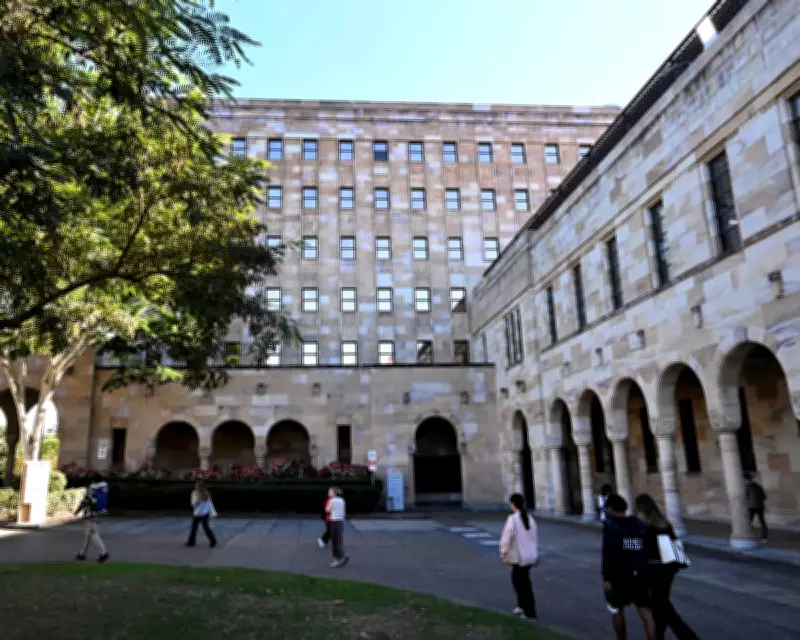
University of Queensland Press has been thrown into turmoil by the cancellation of Indigenous poet Jazz Money’s book Bila, A River Cycle over comments by its illustrator, Matt Chun, and a subsequent exodus of authors. The acclaimed Australian publisher now faces potential collapse as at least 17 authors have ended their contracts or vowed not to work with the publisher again.
How It All Began
On 28 February, poet Omar Sakr sent an email to UQP director Madonna Duffy warning of the publisher’s impending collapse. Sakr’s discontent dates back to January 2025, when he was among 55 UQP authors who signed an open letter supporting Palestinian-Australian author Randa Abdel-Fattah. The letter claimed the “Zionist lobby and its allies” were trying to prevent UQP from publishing her novel Discipline. University of Queensland Vice-Chancellor Professor Deborah Terry was quoted as committing to a “review” of Abdel-Fattah’s book deal, which Sakr and others called “incredibly disheartening and concerning.” The review cleared the book but led to a second review into UQP governance.
In February 2025, UQP paused printing of Sakr’s own book, The Nightmare Sequence, weeks before its release, to have it reviewed by an “academic expert in hate speech.” The review found no issue with the poems but raised concerns about a reference to Israel as a “Zionist entity” in the introduction and an illustration of former US President Joe Biden as a monster. The book went ahead with only a minor footnote, but Sakr felt “insulted, offended and humiliated.”

The Cancellation That Sparked Exodus
The event that triggered the mass exodus was UQP’s decision to cancel Money’s book Bila, A River Cycle. Five thousand copies of the lyrical tale about a river on Wiradjuri country now sit in storage, with the university considering “recycling options.” The cancellation followed a Substack post by illustrator Matt Chun on 1 January, in which he condemned “liberal capitulation” to the “Zionist framing” of the Bondi attack, stating that “Whiteness, Jewishness, and the backdrop of Bondi Beach were enough to bestow every person killed with default innocence and virtue.” Fifteen people were killed in the terrorist attack on 14 December, including a 10-year-old child. Chun later told the Guardian he stood by “every word” of the article, which the Queensland Jewish Board of Deputies said contained sentiments that “enabled hate and falsehoods to fester.”
Authors React
In an email ending his relationship with UQP, Sakr told Duffy and executive dean Heather Zwicker that the cancellation had tarnished “a once-great publishing house with an act that goes against its very traditions.” Novelist Melissa Lucashenko responded by vowing to cut ties and casting an “ancestral curse on the lot of them.” Poet Evelyn Araluen said she was paying to rescind her contract. Author Tony Birch called the destruction of Bila “an act of cultural vandalism.”
Collateral Damage Concerns
La Trobe University professor Dennis Altman, a gay rights activist and son of Jewish refugees, said he read Chun’s essay as “clearly antisemitic.” However, he felt sympathy for Money and questioned the logic of banning work based on an illustrator’s views unrelated to the text. Altman warned of “collateral damage” to emerging writers who may struggle to find alternative publishers.
Staff members, speaking anonymously, said they were “heartbroken” and “distressed and betrayed” by the decision. Former publicist Chloe Mills, who quit in August after being censured for liking a social media photo, described watching the cancellation as “incredibly heartbreaking.”
University Response
A UQ spokesperson stated that the university remains “firmly committed to UQP’s editorial independence” but cannot “overlook or condone the abhorrent statements made by Matt Chun about the victims who were shot and killed in the Bondi terror attacks.” The spokesperson acknowledged that the outcome “may not align with the views of some authors and staff.”