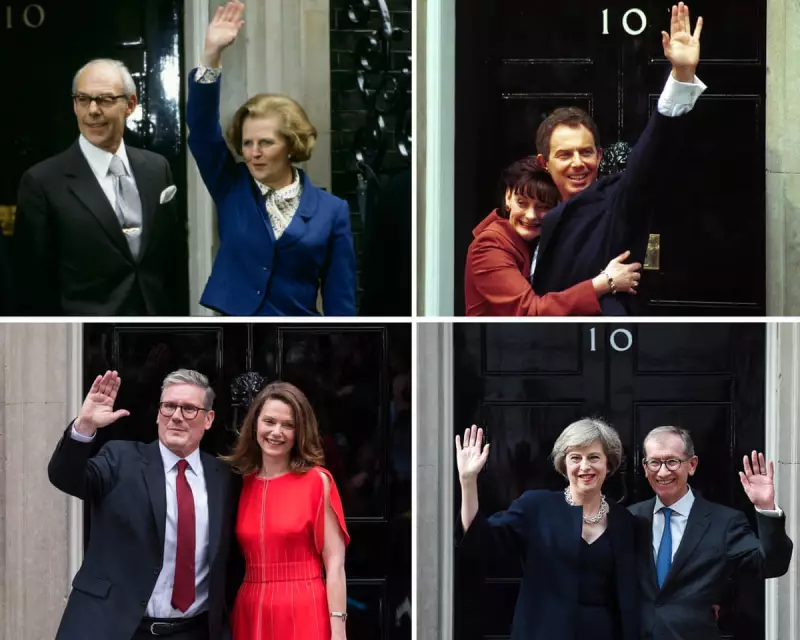
The familiar rhythm of British politics, where power oscillates between Labour and the Conservatives, is under unprecedented strain. Both major parties are banking on a return to historical norms to rescue their fortunes, but growing evidence suggests the electorate has lost faith in the old duopoly.
The Fading Two-Party System
Strategists for Labour and the Tories comfort themselves with the belief that opinion polls are fickle and that precedent will reassert itself. Labour hopes that economic recovery and demonstrated competence will see voters return to the fold by the next election, wary of alternatives like Reform UK. The Conservatives, conversely, are betting on economic difficulty, allowing them to position themselves as the fiscally responsible alternative to a profligate Labour and a reckless Reform.
This shared assumption relies on a political culture where only two parties are seen as legitimate suppliers of prime ministers. However, this convention is crumbling. The rise of Nigel Farage's Reform UK and the persistent strength of the Liberal Democrats and Greens point to a fragmented landscape. The first-past-the-post system, ill-suited for multi-party politics, now threatens to produce wildly unpredictable results.

Farage's Calculated Gambit and Leadership Struggles
Nigel Farage is acutely aware of the cultural barrier his party faces. His strategy involves showcasing high-profile defectors from the Conservatives, like former chancellor Nadhim Zahawi, to lend an air of governmental credibility. This is a risky trade-off: while it generates headlines and momentum, it also dilutes Reform's claim to be a clean break from the established political class.
Meanwhile, the traditional parties are struggling with profound unpopularity. Keir Starmer is fighting to keep Labour's poll share out of the high teens, while Kemi Badenoch has only marginally improved the Tories' position from their disastrous July 2024 election result. Neither leader has successfully articulated a compelling vision to address the deep-seated grievances of the electorate.
A Crisis of Delivery and a Broken Promise
The root of the upheaval lies in a fundamental breakdown of trust. For many voters, the current dissatisfaction is not merely about the choices of the last government, but a deeper doubt that politics in its familiar Labour-Tory configuration can deliver anything but disappointment. The two parties are joint guardians of a Westminster system that has, for many, stopped working since the 2007-08 financial crisis.
This period marked the end of rising real average incomes and stalled social mobility, breaking the postwar promise of generational progress. While the Conservatives, in power from 2010 to 2024, bear direct responsibility for austerity and Brexit, Labour under Starmer has failed to convincingly explain what went wrong and how to fix it.
The old political map, defined by stable left and right blocs with swing voters in the centre, is obsolete. Today's divides are better described as a liberal-progressive bloc versus a conservative-nationalist one, with allegiance often dictated by one's attitude towards Nigel Farage himself. Local election results already suggest England's effective two-party contest is between Reform and the Liberal Democrats in many areas.
While it is possible that Starmer or Badenoch could stage a recovery, or that Farage's momentum may peak, the possibility of a permanent, seismic shift remains severely under-priced by the political establishment. The historic Labour-Tory rivalry was a kind of mutual dependency. Their current crisis is a shared one, born from a collective failure to adapt to a nation that no longer believes the old normal ever worked for them.