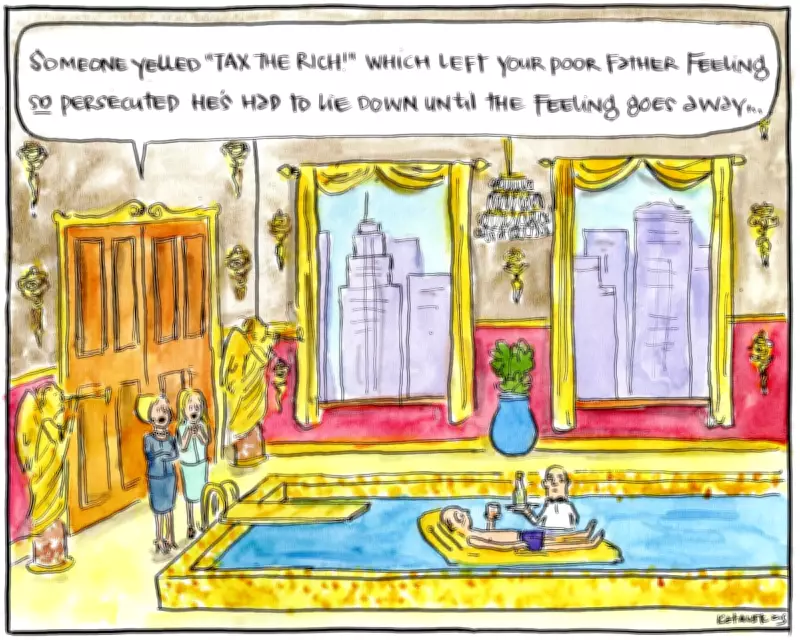
In a world where the ultra-wealthy seem to have everything, including the audacity to claim victimhood, a new controversy has emerged: is advocating for higher taxes on billionaires a form of hate speech? The question, posed with a straight face by some defenders of the 1%, has sparked a mix of outrage and amusement among economists, activists, and comedians alike.
The Absurdity of the Argument
The suggestion that taxing the rich equates to hate speech is, on its face, ludicrous. Hate speech, by definition, targets individuals or groups based on attributes like race, religion, or sexual orientation, inciting violence or discrimination. Tax policy, on the other hand, is a fiscal tool used to fund public services and reduce inequality. Comparing the two trivializes the real harm caused by hate speech while deflecting from the serious issue of wealth concentration.
Who Benefits from This Narrative?
This narrative primarily benefits billionaires and their lobbyists, who have long sought to frame any discussion of wealth redistribution as an attack on their very existence. By crying 'hate speech,' they hope to shut down debate and protect their tax havens and loopholes. The irony is rich: those who often fund campaigns against 'political correctness' are now using the language of victimhood to shield their fortunes.

The Real Hate: Inequality
Perhaps the real hate speech is the growing inequality that leaves millions struggling while a handful of billionaires hoard more wealth than entire nations. Studies show that the richest 1% now own nearly half of global wealth, a disparity that fuels social unrest and undermines democracy. Taxing the rich isn't hate; it's common sense. It's about ensuring that those who benefit most from society contribute their fair share to its upkeep.
A Satirical Take
As one comedian put it, 'If taxing the rich is hate speech, then I guess my mortgage is a love letter to my bank.' The absurdity of the comparison has not been lost on the internet, where memes comparing tax brackets to hate crime statistics have gone viral. But behind the laughter lies a serious point: the wealthy have successfully rebranded accountability as persecution.
In conclusion, the idea that taxing billionaires is hate speech is a desperate attempt to protect privilege. It distracts from the real issues of economic injustice and mocks the genuine victims of hate. So, won't someone think of the billionaires? They already have—by thinking of their tax bills. The rest of us might just think of a fairer world.