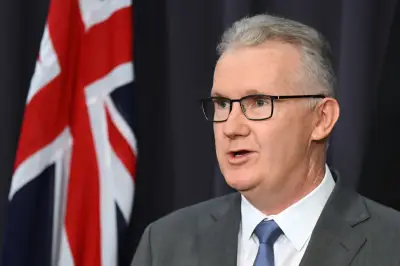
As Australia moves into 2026, both major political forces, the Labor government and the Coalition opposition, are bracing for a year of significant trials. Prime Minister Anthony Albanese and Opposition Leader Sussan Ley find themselves under intense pressure from external events and internal party dynamics, setting the stage for a defining period in the nation's political life.
Economic Headwinds and Leadership Tests
For Prime Minister Albanese, the economic landscape presents a stern challenge. After a period where inflation appeared to be receding, dropping below 2% in June 2025 and prompting interest rate cuts, the situation has reversed. Inflation is rising once more, putting rate hikes back on the agenda. Treasurer Jim Chalmers has warned of "difficult decisions" ahead, with the December budget outlook forecasting years of deficits.
This renewed hip-pocket pressure on mortgage holders, combined with the ongoing housing crisis, will translate directly into political heat for the government. How Labor manages the economy and cost-of-living pressures will be a central question of the year.

Internal Pressures and Policy Direction
Beyond the economy, Albanese faces questions about his government's core agenda. Having favoured incremental change, he now confronts calls from within the Labor movement to pursue bolder reforms, such as on gambling advertising. The party's national conference in July 2026 in Adelaide will be a crucial forum for debates on policy direction, including contentious issues like AUKUS, housing tax policies, and climate action.
For the Coalition, 2026 is a year of existential questions. Leader Sussan Ley, the first woman to lead the federal Liberals, has endured a tumultuous seven months marked by disunity. She faces a persistent internal threat from Andrew Hastie, who has publicly advocated a more populist direction. Ley's decision to dump the net-zero emissions target and shift focus to immigration levels temporarily averted a leadership challenge in 2025.
Senior Liberals are reportedly giving her until at least the federal budget to improve the Coalition's dire poll numbers and formulate a coherent policy agenda. If she fails, her leadership could be terminal.
The Bondi Fallout and a Resurgent One Nation
The shadow of the Bondi beach terrorist attack in 2025 will loom large over the political year. Albanese faces ongoing pressure over his refusal to hold a royal commission, relying instead on Dennis Richardson's review of intelligence agencies. The government will also push for new hate speech laws and tighter gun controls.
The attack has also provided fodder for internal Coalition debates on immigration. Meanwhile, the opposition faces an external threat from a resurgent One Nation, which recorded a 17% primary vote in a December Guardian Essential poll. The party, now boosted by former Nationals leader Barnaby Joyce, threatens to peel off right-wing voters, potentially pushing the Coalition further to the right or splitting its base.
The Climate Challenge and Defining the Future
Climate Minister Chris Bowen faces a pivotal balancing act. The government's pledge to cut emissions by 62-70% below 2005 levels by 2035 is under scrutiny, with projections showing the country is only on track for a 48% reduction. The review of the safeguard mechanism in 2026-27 presents a major opportunity to force bigger polluters to make steeper cuts.
Bowen must manage this domestic transition while also serving as a key global climate negotiator ahead of COP31. For both major parties, 2026 is a year that will test their resilience, define their policies, and shape the political battlefield for the next election.