Green Party Unveils Controversial Drug Policy Proposals
The Green Party, under the leadership of Zack Polanski, has sparked intense debate with newly revealed policy recommendations that include teaching primary school children how to consume drugs safely. According to reports from the Daily Mail, the party's proposals advocate for incorporating drug safety instruction into Personal, Social and Health Education (PSHE) lessons for children starting in primary school.
Legalization and Partnership Proposals
The policy document goes beyond education, calling for the legalization of crack cocaine, heroin, and the date-rape drug GHB for recreational purposes. Furthermore, it suggests establishing a direct partnership with South American cartels to ensure a sustainable supply of these substances in the United Kingdom. The Green Party's stance is rooted in the belief that, as stated in their policy, 'in the majority of cases the limited use of drugs for recreational purposes is not harmful and has the potential to enhance human relationships and human creativity.'
Political Backlash and Defense
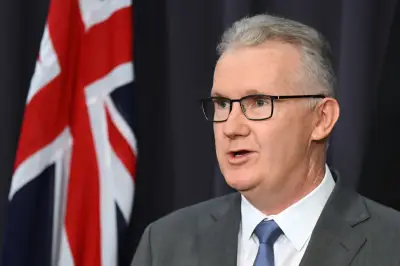
Labour has vehemently opposed these proposals, with critics accusing Polanski of wanting to transform 'children's playgrounds into crack dens.' Crime and Policing Minister Sarah Jones condemned the ideas, stating, 'Let's be clear about what that would mean: Lives shattered, anti-social behaviour through the roof, and public drug use running rife. It's deeply irresponsible to even suggest this.'

In response, Polanski defended the proposals, arguing, 'If Labour cared about people as much as they did smearing political opponents, they would back Greens' call for a national commission on drugs to see how we can reduce the harm drugs cause.'
Broader Policy Context and Electoral Implications
Alongside these contentious measures, the Green Party has put forward more conventional approaches to address the UK's drug crisis, such as increasing funding for drug-treatment centres. The timing of these revelations coincides with the upcoming Gorton and Denton by-election in Greater Manchester, where residents are reportedly responding positively to the ideas.
Recent polling data from Omnisis indicates a significant shift in voter intentions, with the Green Party leading at 22% support in the constituency, followed by Reform UK at 20%, and Labour trailing in third place with 18%. This suggests that the party's bold stance on drug policy could be resonating with some voters ahead of the critical by-election next week.
Analysis of the Controversy
The proposal to introduce drug safety education in primary schools represents a radical departure from traditional drug prevention strategies in the UK. While the Green Party emphasizes harm reduction and creative potential, opponents warn of severe social consequences, including increased addiction and public disorder. The debate highlights deep divisions in political approaches to drug policy, with the Greens advocating for progressive reform and critics prioritizing law enforcement and public safety concerns.
As the political landscape evolves, the Green Party's willingness to challenge conventional wisdom on drug use could influence broader discussions on education, public health, and criminal justice in the coming years.