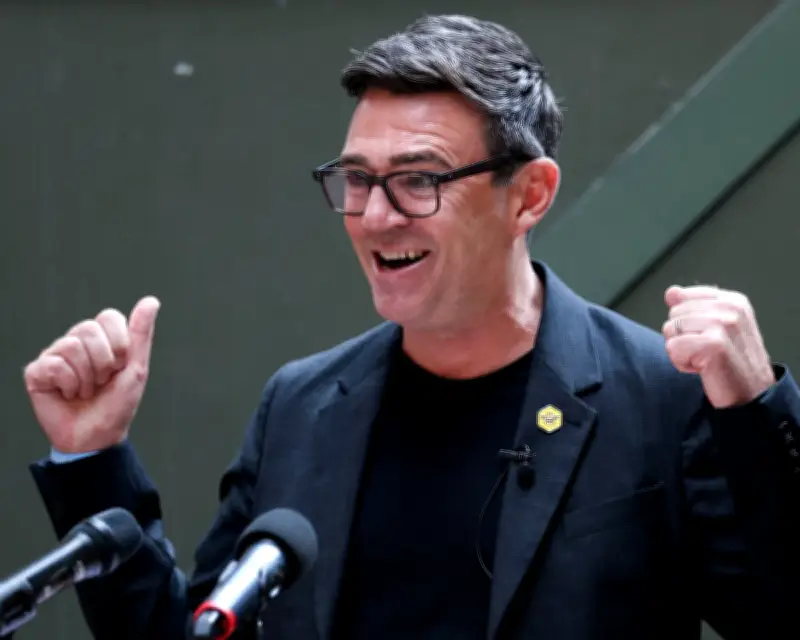
At the People's History Museum in Manchester, Andy Burnham delivered a speech that rekindled hope among Labour supporters, even as some of his proposals bore a striking resemblance to those of his predecessor, Keir Starmer. The event, held in a museum dedicated to democracy, was symbolic of Burnham's ascension to the role of prime minister-designate without a general election or leadership contest, a fact that went largely unremarked upon by the enthusiastic crowd.
Home Crowd Enthusiasm
The Engine Hall annexe was packed half an hour before Burnham was scheduled to speak. The location, chosen for its symbolic value, underscored the theme of democracy, yet no one mentioned that Burnham would become the latest prime minister installed without a popular vote. His rivals had all withdrawn, leaving the path clear for what many described as a coronation. Burnham, dressed in a black T-shirt and jacket, quickly put the audience at ease, a stark contrast to Starmer's often awkward demeanor.
Bev Craig, Labour's candidate for Greater Manchester mayor, introduced Burnham, who received a prolonged standing ovation simply for walking on stage. Burnham's natural charisma was on full display, and he noted that the museum was one of his favorite places, having already donated an old coat worn during the pandemic to join Michael Foot's donkey jacket in the museum's collection.

Familiar Themes, New Hope
Burnham's speech touched on familiar themes: a broken Britain, the need for change, and a bold 10-year vision. He promised to build an inclusive team, though he declined to name any members, leaving lobby journalists to speculate. One Labour MP suggested that if the speech was boring, Ed Miliband might become chancellor. Indeed, at times the speech was dull, echoing Starmer's rhetoric but delivered with more charisma.
Burnham vowed to set up a 'No 10 North' as the nerve center of a rewired Britain, a plan heavily trailed in advance. He promised to reach out to other parties to collaborate in the national interest, though this seemed optimistic given Kemi Badenoch's confrontational style. Nigel Farage's contribution, he joked, would be a £5m bank statement.
Details Deferred
The big idea was devolution of power to level up the country, but details were scarce. Burnham promised 1.5 million new homes, though it was unclear if these were the same ones Starmer had pledged two years earlier. High streets would become symbols of a British renaissance, provided online shopping could be curtailed. The speech ended with a message of hope: 'Imagine good growth, housing and jobs. Hope in every heart. Imagine it no more. Let's make it happen.'
The audience rose to their feet, recognizing a potential saviour. For many Labour MPs and members, Burnham represents a second chance after the bleak years under Starmer. They now believe that a Reform-Tory coalition is not inevitable. Burnham's ability to offer hope may be enough to sustain Labour's future, even if the specifics remain vague.