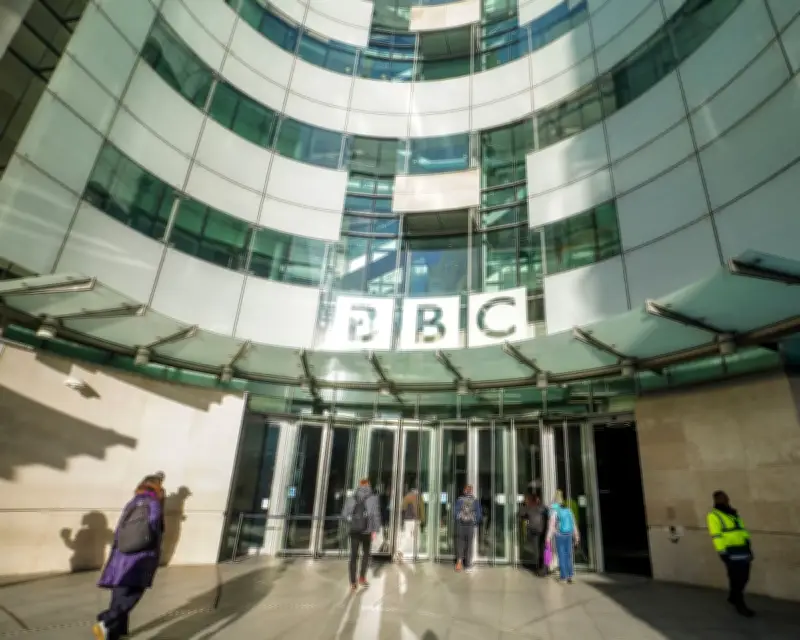
BBC staff fear a strike is on the horizon after anger over a below-inflation pay rise offer made amid plans to cut thousands of jobs. Unions have rejected the 1% increase, seen as derisory given inflation is running at 2.8%.
Pay offer details and union response
Under the offer, the BBC told staff they would receive an increase of about 1% or £500 – whichever was higher, designed to ensure lower-paid workers got a better deal. However, even those on the lowest pay band outside London would get a rise below inflation.
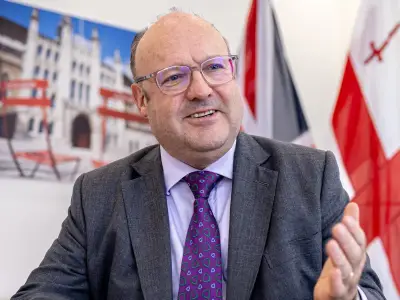
Philippa Childs, head of broadcasting union Bectu, said: “Bectu recognises the funding pressures on the BBC but an offer of only 1% to staff is simply not acceptable when there is a very real cost of living crisis.” Laura Davison, general secretary of the National Union of Journalists, added: “This offer falls far short of what our members deserve and would leave many worse off in real terms.”

Job cuts and industrial action
Staff are also worried about jobs as the BBC cuts could result in up to 2,000 people leaving over three years. Some staff see industrial action as inevitable, with measures short of a full strike, such as working to rule, being discussed. Talks are heading to conciliation service Acas.
The row is an early challenge for new director general Matt Brittin, who had to walk through a picket on his first day. The World Tonight, a Radio 4 programme, is to be axed after more than 50 years as part of cuts.
Funding pressures and charter renewal
Falling licence fee revenue means the BBC must save about £500m. The pay row coincides with talks with the government over the future of funding, including extending the licence fee to streaming viewers, which faces pushback from streaming firms.