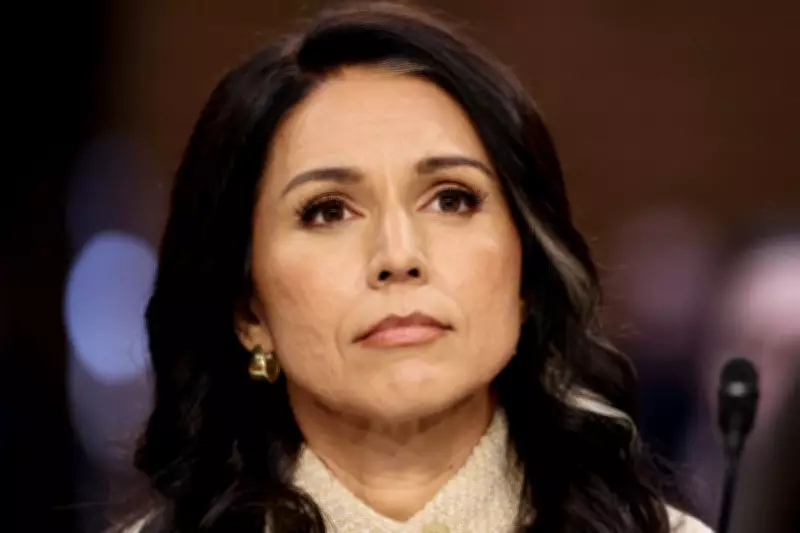
Tulsi Gabbard, the US director of national intelligence, remained loyal to President Donald Trump until her resignation on Friday, but her resistance to foreign wars ultimately led to her downfall. Gabbard repeatedly angered Trump with her assessments of Iran's nuclear program and capabilities, according to reports from The Guardian and other news outlets.
Gabbard's Loyalty and Conspiracy Theories
Gabbard nurtured Trump's grievances against political enemies, accusing Barack Obama and his officials of a "treasonous conspiracy" over Russian interference in the 2016 election. In January, she appeared at an FBI raid in Georgia related to 2020 ballots, despite her role focusing on foreign intelligence. She submitted her resignation on Friday, citing her husband's cancer diagnosis, but news reports indicated the White House forced her out.
Conflict Over Iran Intelligence
Gabbard's opposition to US foreign interventions and regime-change wars clashed with Trump's aggressive policies. Last June, she drew Trump's anger for her handling of intelligence on Iran's nuclear program. Trump pressured her to change her assessment of how close Iran was to producing a nuclear bomb, as he supported Israel's attack on Tehran. Gabbard initially testified that Iran was not building a nuclear weapon, but later changed her stance under pressure, claiming Iran could develop a weapon "within weeks to months."
Sidelined from Key Decisions
By late February, when Trump launched a new US-Israeli war against Iran, Gabbard was largely sidelined from senior policymaking. She was excluded from White House planning meetings and administration briefings to Congress. In March, one of her top aides, Joe Kent, resigned in protest of the Iran war, stating that Iran posed no imminent threat and that the war was due to pressure from Israel and its lobby.
Trump's Broken Peace Pledge
Trump campaigned as a "candidate of peace" but soon after returning to office ordered bombings in seven countries and launched a joint war with Israel against Iran. The conflict escalated regionally, with Iran closing the Strait of Hormuz and raising gas prices. A ceasefire was agreed in April, but negotiations for a permanent truce remain deadlocked.
Intelligence Discrepancies
Despite Trump's claims that Iran was weeks from a nuclear bomb, UN watchdogs and US intelligence agencies consistently assessed that Iran was not building a weapon. Gabbard's testimony aligned with these assessments, noting Iran's enriched uranium stockpile was at unprecedented levels but lacked weaponization steps. Trump's withdrawal from the 2015 Iran nuclear deal in 2018 had instigated the crisis, leading Iran to enrich uranium to 60% purity.
In the end, Gabbard's anti-interventionist views and independent intelligence assessments could not survive a boss who demanded absolute loyalty but offered little in return.