
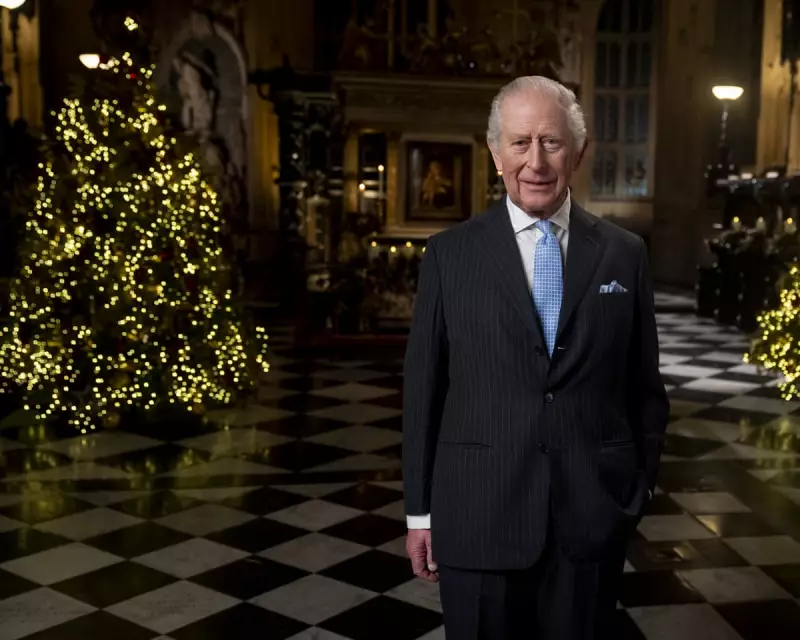
The annual Christmas Day television schedule was dominated by a familiar fixture this year, with King Charles III's festive message securing the title of the most-watched programme in the UK. The broadcast, recorded earlier in the month at Westminster Abbey, attracted an audience of nearly 7 million viewers.
Broadcast Strategy and Viewer Numbers
In a letter to the Guardian, reader Tony Green from Ipswich offered a wry observation on the viewing figures. He suggested the high numbers were less about active choice and more about the programme's saturation across the airwaves. The message was broadcast simultaneously on all major terrestrial channels and even on GB News, making it virtually unavoidable for anyone with their television switched on. The recording took place in the Lady Chapel of Westminster Abbey on 11 December 2025.
Readers' Witty Correspondence Takes Flight
The rest of the Guardian's letters page was filled with the publication's characteristic blend of humour and anecdote. Ingrid Warren from Oxford recounted her experiences with the Merlin bird identification app, which famously misidentified local peacocks as ospreys and confused a passing siren with the call of a peregrine falcon.
Other correspondents shared amusing tales of altered road signs. Sophia Sharif from Marazion, Cornwall, remembered a 1990s sign welcoming people to Plymouth as the "Spirit of Discovery," which was soon edited by a local wit to read "Spirit of Disco." Brian Ferris of Tunbridge Wells recalled a convincing fake tourist sign on the Cotswold Way pointing to an "Official dogging site," while John Cockell mentioned the Shropshire hamlet of New Invention, where someone had added "Patent pending" to its village sign.
A Quirk of Marital Relations
In a brief but memorable contribution, Toby Wood from Peterborough referenced the newspaper's popular Sexual Healing column by Pamela Stephenson Connolly. He posed the question: "My husband will only have sex with me when he has a letter printed in the Guardian. Is this normal?" This playful query highlighted the eclectic and personal nature of the letters the publication receives.
The collection of correspondence, published on 30 December, served as a light-hearted reflection on British life, technology's foibles, and the enduring public interest in the monarchy's traditional broadcasts.




