
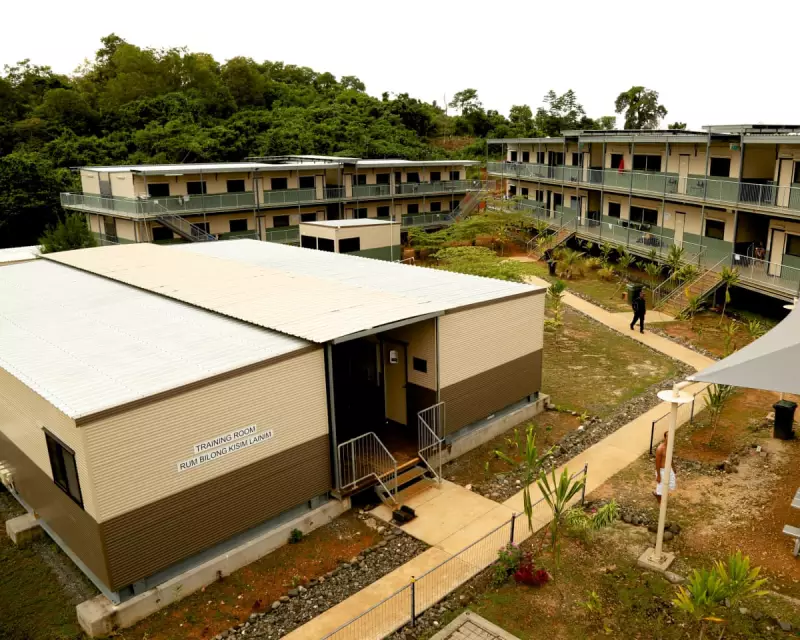
A United Nations committee has delivered a damning verdict against Australia, finding the nation exposed an Iranian asylum seeker to torture and cruel treatment during his years held in offshore detention on Manus Island.
A Decade of Detention and 'Serious Violence'
The UN Committee Against Torture released its decision concerning an Iranian man who fled persecution and arrived by boat on Christmas Island in 2013. He was subsequently transferred to the Australian-run offshore processing centre on Manus Island in Papua New Guinea.
The committee found he was detained there for approximately three years under "harsh conditions" and was subjected to "serious violence", including an incident where a security guard slit his throat. In 2019, due to deteriorating health, he was medically evacuated to Australia but was placed into immigration detention for a further three years, despite documented serious physical and mental health issues. He was finally released into the community on a bridging visa in 2022.
Australia's Defence Rejected by UN Body
In its response to the complaint, the Australian government argued it did not exercise effective control over the Papua New Guinea facilities and stated the complainant had received appropriate care. It also contended that his detention in Australia was lawful and subject to review.
The UN committee firmly rejected these arguments. It determined that Australia's funding, management, and contracting of services at the Manus Island centre were sufficient to establish jurisdiction under the Convention Against Torture. This aligns with previous UN rulings on Australia's offshore processing centre in Nauru.
"Geography is not the test," stated committee member Jorge Contesse, "but whether a state has placed a person in a situation where it has the power to prevent harm and fails to do so." He emphasised that human rights obligations "do not disappear when detention facilities are relocated offshore."
Violations and Calls for Redress
The committee concluded that Australia failed to prevent torture and ill-treatment in Papua New Guinea and did not provide adequate rehabilitation, violating the Convention. It also found that the man's subsequent immigration detention in Australia, lacking an individualised assessment, amounted to cruel, inhuman, or degrading treatment, especially given his prior trauma and acute medical needs.
The ruling calls on Australia to:
- Provide the complainant with full redress, including compensation and rehabilitation.
- Afford him a proper opportunity to have his protection claims assessed.
- Guarantee that similar violations will not occur in the future.
The committee reiterated its "longstanding concerns about Australia's offshore processing policy," stating it has repeatedly led to prolonged detention, severe suffering, and uncertainty for asylum seekers. The Minister for Home Affairs, Tony Burke, was approached for comment following the decision.




