
'I Allowed Myself to Dream': Women Academics Devastated by UK Visa Ban
The Home Office has implemented a controversial suspension of new study visas for applicants from four specific countries: Afghanistan, Sudan, Myanmar, and Cameroon. This emergency measure, announced by Home Secretary Shabana Mahmood, is described as necessary to address perceived abuse of the immigration system, but it has effectively blocked numerous talented women from pursuing life-changing educational opportunities in the United Kingdom.
Crushed Hopes and Withdrawn Offers
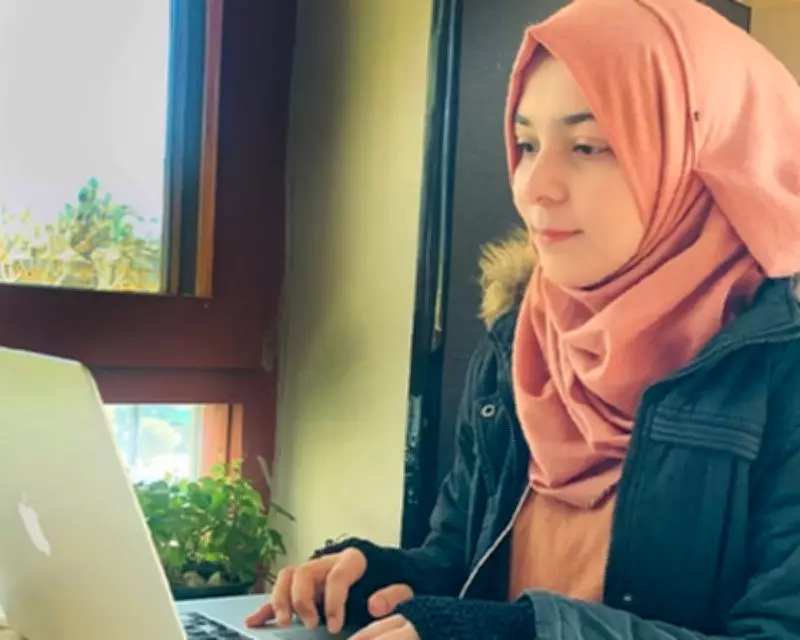
Shahira Sadat, a software engineer from Afghanistan with a focus on artificial intelligence and educational equity, experienced the brutal impact firsthand. After receiving three offers from UK universities and investing immense effort into her Chevening scholarship application, she received a devastating email on March 5th. Her interview, scheduled for March 9th, was cancelled due to the new visa restrictions.
"I cannot describe the joy I felt," Sadat recalls of initially receiving the interview invitation. "I was hopeful. I allowed myself to dream." The subsequent rejection left her heartbroken. "I cried and cried for hours and woke up the next morning with a bad headache because I had cried so much," she says.
The Rationale Behind the 'Emergency Brake'
Home Secretary Mahmood's announcement cited a significant spike in asylum claims from students originating from Cameroon and Sudan, which the Home Office states increased by more than 330%. The government contends this trend poses "an unsustainable threat to the UK's asylum system." While the percentage increase is notable, the actual number of students involved amounts to just a few hundred.
Critics highlight that students from other nations arrive in the UK in far greater numbers, with some also subsequently claiming asylum, yet those countries are not subject to a similar blanket ban. The policy has ignited a fierce debate about balancing immigration control with the UK's role as a global educational beacon.
Lifelines Severed for Women in Crisis Zones
For the women affected, this ban represents far more than a bureaucratic hurdle. In conflict-ravaged and oppressive regions, UK scholarships are often viewed as rare lifelines. These individuals frequently study in secret, navigating militias, natural disasters, power outages, and internet blackouts.
"Opportunities like Chevening are not just academic programmes – they are lifelines," explains Sadat. "They are rare doors that allow us to grow, to contribute and to remain connected to the world." The stated goal for many is not to seek asylum, but to acquire skills desperately needed to rebuild their homelands, potentially reducing future migration pressures.
Personal Stories of Ambition Thwarted
The ban has shattered the aspirations of numerous dedicated scholars:
- Afra Elmahdi, a Sudanese dentist and cancer specialist, had secured a place at Oxford University for an MSc in Applied Cancer Science. Her research focuses on using saliva as a biomarker for diagnosing head and neck cancers. "We have applied for these scholarships while being displaced and surviving a war," she states. "Although we have fulfilled all the universities' requirements and got a yes, the Home Office is saying a bold, generalised and unjust no."
- Mariam*, a first-class honours graduate in planning from the University of Khartoum, had offers from University College London, the London School of Economics, and the University of Manchester. She aimed to gain expertise to help rebuild Sudan. "This is the most difficult period Sudan has ever faced," she says. "I don't have a plan B." She describes the decision as having "turned my life upside down."
- Sitara*, an Afghan medical student, saw her studies in Kabul abruptly end when the Taliban banned women from universities. She applied to UK institutions to finally qualify as a doctor, a dream now extinguished. She offers a poignant comparison: "The Taliban don't want girls to study, but now the UK is saying the same thing as the Taliban. All the doors have closed for us."
- Phyu Nwe Win, an economics student from Myanmar, also applied for Chevening to study the link between economic development and women's empowerment. For her, studying abroad represents one of the few remaining avenues for education in her country.
A Plea for Reconsideration
As the policy takes effect, these women hold onto hope for an 11th-hour reversal. For Shahira Sadat, the stakes transcend personal ambition. "This is not just a simple scholarship to a UK university – it is something life-changing," she emphasizes. "I don't want to do this just for me, but also for my daughter, to build a better future for her and all the other girls in my country."
The UK's visa brake, intended to manage migration, now stands accused of inadvertently mirroring the oppressive policies these women strive to escape, severing a critical connection to hope, expertise, and global progress.




