
UK Immigration Raids Target Restaurants, Sparking Claims of Racial Profiling
In a dramatic escalation of enforcement actions, the Home Office's immigration compliance and enforcement (ICE) teams have conducted over 17,400 raids on businesses since July 2024, marking a 77% increase from the previous year. These operations, often based on anonymous tipoffs, have left many business owners and employees reeling from what they describe as heavy-handed and discriminatory tactics.
Surprise Raids and Intimidation Tactics
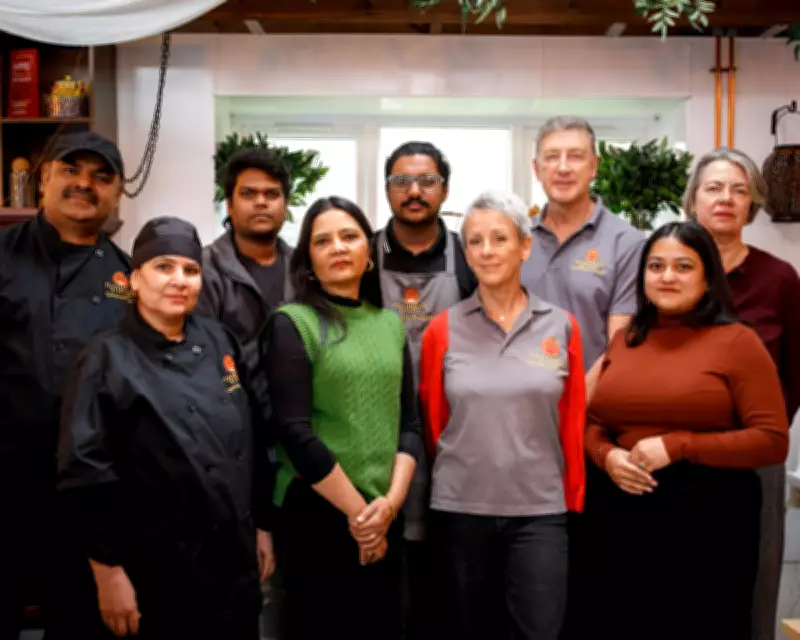
One such raid occurred in September at Mandira's Kitchen, an upmarket Indian restaurant near Guildford in Surrey. Eleven ICE officers, accompanied by Surrey police, stormed the premises without a warrant, blocking all entrances and questioning staff about their passports and personal details. Owner Mandira Moitra Sarkar, who was on holiday at the time, called the incident "astounding", noting that officers failed to explain their presence or seek permission. The raid lasted 37 minutes but found no illegal workers, leaving Moitra Sarkar to lament the waste of resources and the stigma attached to her business.
Similarly, Facing Heaven, a vegan Chinese restaurant in east London, was raided on a busy Saturday night in September. About ten officers singled out non-white, foreign-born workers for interrogation, according to general manager James Nolan, who said they "scared them with the possibility of being immediately jailed". The raid, based on an anonymous tipoff about "illegal Bengali workers", disrupted service but yielded no arrests, leading owner Julian Denis to condemn the operation as a "wake-up call" for his legally employed staff.
Legal Powers and Allegations of Abuse
These raids are often authorized under the Licensing Act 2003, which allows ICE officers to enter businesses without a warrant if they suspect licensed activities, such as serving alcohol, are involved. In 2025, 28% of all raids targeted restaurants, takeaways, and cafes, a disproportionately high figure. Kevin Barker, a former ICE officer, argues that officers frequently exceed their powers, using the act as a pretext to interrogate staff unrelated to licensing concerns. He notes that tipoffs, often from competitors or personal grievances, can trigger raids with minimal evidence.
Critics, including Seema Syeda of the Joint Council for the Welfare of Immigrants, allege that racial profiling plays a significant role. Despite Home Office claims that operations are intelligence-led and not based on race, research from the Migrants' Rights Network suggests raids are concentrated in areas with large black and Asian populations. Fizza Qureshi, CEO of the charity, reports that many migrant business owners feel resigned to raids as part of daily life, with some, like a car wash owner, facing repeated visits without any findings of wrongdoing.
Political Context and Future Implications
The surge in raids comes amid Labour's push for a "fair and properly managed immigration system", but critics say the crackdown goes beyond manifesto pledges. The Home Office has even launched a TikTok account, @SecureBordersUK, to showcase raids, highlighting its media-driven approach. Meanwhile, political parties like Reform UK and the Conservatives have proposed creating agencies modeled on the U.S. ICE, potentially expanding enforcement powers further.
On the ground, anti-raid groups are emerging to protest these tactics. In January, activists in Lewisham, south London, successfully intervened in a car wash raid by informing those targeted of their rights, preventing any arrests. For Moitra Sarkar, the raid was a personal blow during a week of far-right rallies in London, leaving her daughter fearful and highlighting broader societal tensions. She urges accountability, calling the operations "completely ludicrous" and a misuse of public funds.
As debates over immigration enforcement intensify, business owners and advocates continue to challenge the methods and motives behind these raids, demanding greater transparency and fairness in the pursuit of illegal workers.




