
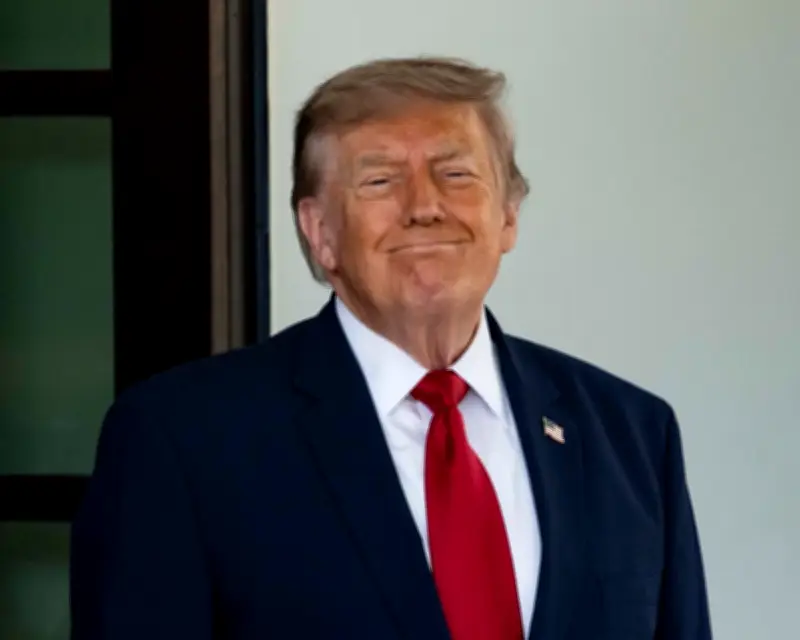
Trump's Abandoned Toll Proposal Highlights Strategic Confusion
Donald Trump proposed that the United States could charge tolls for clearing the Strait of Hormuz, only to swiftly abandon the suggestion hours later. The idea, announced on Monday, was met with immediate backlash from shipping firms, administration officials, and regional allies, forcing the White House to retreat. This U-turn is the latest in a series of contradictory moves that have left Washington's Iran policy in chaos.
The proposal would have seen the US levy a 20% toll on vessels passing through the strait, a waterway critical to global oil shipments. However, Marco Rubio, the US secretary of state, had previously argued that such tolls were incompatible with international law. The International Maritime Organization (IMO), of which the US is a member, reaffirmed last week that passage through the strait should remain free of any tolls or charges.
US Strategy in Disarray as Iran Holds Firm
Five months of U-turns and false boasts have left Trump in a worse position than when he started. The short-term aim is to regain control of the strait from Iran, but the resumed fighting risks pushing oil prices toward $90 a barrel, potentially harming Trump's prospects in the US midterm elections. About 6,000 sailors remain trapped in the strait, which Iran controls. Tehran has drawn strength from the public farewell to its assassinated supreme leader.
The White House insisted the toll plan was serious, claiming Trump had considered it for a long time. But the revolt against the idea was swift. The IMO council passed a motion reaffirming freedom of passage, and US Ambassador to the UK Warren A. Stephens vowed to champion the rule of law. He stated: "The United States is committed to this organisation and to the principles it represents. But we will also speak honestly about the threats to the rules-based maritime order."
No Clear Alternatives for the Strait
With the toll off the agenda, none of Trump's remaining options look favorable. Workable alternatives exist, such as models based on the Strait of Malacca or the Bosphorus, both discussed by the IMO. Iran and Oman, the littoral states, are willing to engage, but Washington has no proposal of its own. The US continues to use force to reopen the strait, a waterway that was accessible until Trump decided to attack Iran.
The costs of the war are mounting, with the latest US administration estimate at $100 billion, including damage to bases in Kuwait, Jordan, and Bahrain. Iran continues to pummel these bases and appears to have plentiful supplies of weaponry. The memorandum of understanding signed on June 17, which aimed to resolve the crisis, looks increasingly fanciful, with the deadline of August 17 for agreeing on Iran's nuclear program seeming unrealistic.
Broader Implications for Gulf Security
The debate about the strait is becoming a wider one about security in the Gulf. Oman's foreign minister, Sayyid Badr Albusaidi, argued in Le Monde that Washington's Iran policy is flawed, stating: "The war has revealed that containment was a myth... The gravest threats to the security of the Gulf come not from within the Gulf itself but from decisions and actions taken outside it, above all in Tel Aviv."
US hawks still believe Iran will crumble if the blockade of its ports makes oil exports impossible. But in Tehran, chief negotiator Mohammad Bagher Ghalibaf faces daily pressure to explain the purpose of negotiating with a counterpart that treats agreements like "passing street litter." The US team cannot articulate a strategy for the strait, leaving the situation in a state of dangerous uncertainty.




