Home Secretary's Immigration Overhaul Sparks Internal Labour Conflict
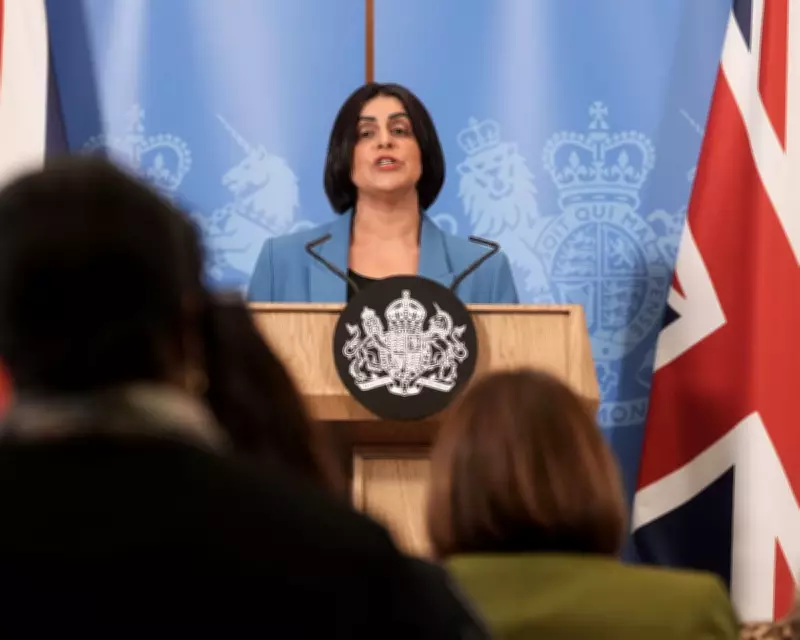
Home Secretary Shabana Mahmood has ignited a fierce internal rebellion within the Labour Party following her announcement of sweeping changes to the UK's immigration system. During a Thursday speech at the Institute for Public Policy Research in Westminster, Mahmood unveiled proposals that include ending permanent refugee status and implementing a controversial voluntary departure scheme.
Controversial Asylum System Reforms
The home secretary's comprehensive plan includes several contentious measures designed to overhaul Britain's approach to asylum seekers. Most notably, Mahmood announced the termination of permanent refugee status, replacing it with a system where refugee status would be reviewed every thirty months. Additionally, the government will withdraw support from asylum seekers who are deemed financially self-sufficient or who violate UK laws.
"The generosity of the British people will become conditional on those seeking asylum following the law, living by our rules and not working," Mahmood declared during her central London address. "Taxpayer-funded accommodation will be reserved for those who have no right to work and would otherwise face destitution, similar to provisions for British citizens. Rights must come with responsibilities, and British taxpayers cannot be expected to fund the lives of those who refuse."
Voluntary Departure Pilot Program
Among the most controversial elements is a pilot project offering 150 families whose asylum claims have been rejected up to £40,000 each to voluntarily leave the country. These families have been contacted and given just seven days to decide whether to accept the offer or face forcible removal by law enforcement officials.
Mahmood defended her proposals as necessary to restore border control and counter the growing appeal of hard-right political movements like Reform UK. "If we don't resolve these problems, others with none of our values will be given the chance to do so instead," she warned, framing the changes as essential for maintaining public confidence in the immigration system.
Immediate Labour Backlash
The announcement triggered immediate and widespread condemnation from Labour MPs, with many drawing parallels to policies implemented by former US President Donald Trump. Tony Vaughan, Labour MP for Folkestone and Hythe, organized a letter signed by approximately 100 party colleagues criticizing the proposals as undermining the government's commitment to integration and social cohesion.
"We can change our immigration system for the better without forgetting who we are as a Labour party," Vaughan asserted. "You don't win back public confidence in the asylum system by threatening to forcibly remove refugees who have lived here lawfully for 15 or 20 years. That just breeds insecurity and fractured communities."
Comparisons to Trump and Windrush
Stella Creasy, MP for Walthamstow, echoed these concerns, warning that the proposals would create "a perpetual state of limbo" for refugees from Ukraine, Iran, Afghanistan and other conflict zones. "I look forward to reading the NAO report and the inevitable Windrush-style scandal coming that none of us stood on a manifesto to implement," Creasy stated, referencing the historical mistreatment of Caribbean immigrants.
Sarah Owen, a leader of the centre-left Tribune group within Labour, delivered particularly sharp criticism: "The idea of deporting children mimics Trump's ICE detention of children. Moving the goalposts for people who have upped their lives to work in and for our country is unjustifiable. This, and the language it's being delivered with, will only have negative implications on our economy, integration and social cohesion."
Parliamentary Battle Looms
Labour MPs are now preparing for a potential Commons rebellion against the measures. While some aspects of Mahmood's plan, including the thirty-month refugee status reviews, can be implemented without parliamentary approval, other elements require legislative consent.
On Thursday, the home secretary laid three pieces of secondary legislation that would allow her to withdraw support from asylum seekers who receive criminal sentences of twelve months or more, who are working, or who are deemed financially independent. Labour MPs now have forty days to formally object to these proposals and potentially force a parliamentary vote.
Future Legislative Plans
Later this year, Mahmood intends to introduce separate legislation making it more difficult for certain individuals to earn settled status in the UK. Under these proposed changes, some categories of people—including benefits claimants—would need to wait ten years before qualifying for settled status, doubling the current five-year requirement.
Refugee Organizations Voice Opposition
Refugee advocacy groups strongly criticized the proposals. Mubeen Bhutta, policy director at the British Red Cross, questioned the effectiveness of the approach: "There is little evidence to suggest that making life harder puts people off coming to the UK, when they have been forced to flee their homes."
Imran Hussain, executive director of communications at the Refugee Council, expressed particular concern about the seven-day decision window for families facing potential deportation: "Giving families just seven days to decide whether to uproot their children's lives, often without access to proper legal advice, risks creating chaos rather than control. Many families simply do not feel safe to return to their countries of origin."
The controversy comes just weeks after Labour's damaging byelection loss to the Greens, with many MPs warning that the immigration proposals risk further alienating core party supporters. As the forty-day objection period begins, Labour appears headed for its most significant internal conflict since taking office, with the future of Britain's asylum system hanging in the balance.